How to make a room feel more luxurious - Without changing everything
There is a certain quality that the best interiors share. The room feels considered. Intentional. As though nothing was placed without a reason, and nothing is missing.
It is not always about budget. Some very expensive rooms feel cluttered and anxious. Some modestly furnished ones feel like the most luxurious places on earth. The difference is rarely what was spent. It is how decisions were made.
Here is what actually moves the needle.
Edit before you acquire
The first instinct when a room feels flat is to add something. A new object, another layer, one more thing. But more often, the problem is the opposite: too much is already there.
Luxury reads as space. Not emptiness — space. The deliberate distance between objects that allows each one to be seen. When a room is crowded, the eye never rests. When objects are given room to breathe, each one carries weight.
Go through a room and ask each item: does this earn its place? Not sentimentally, but visually. What would be lost if it weren’t here?
You will usually find that more goes than stays. The room that remains will feel larger, calmer, and more intentional — all qualities that read as expensive.


Change the surfaces before you change the furniture
Wall surface is the most underestimated tool in interior design. Not because it changes a wall, but because it changes everything in front of it.
A strong surface color — a deep terracotta, a warm clay, an off-white with real undertone — reframes the furniture it surrounds. The room acquires a point of view.
In Miami, where light is relentless and flat whites can feel washed-out and harsh, surfaces that hold warmth do something important: they make a room feel different at different hours. In the morning, one thing. At dusk, something else entirely. That responsiveness to light is one of the core qualities of an expensive-feeling space.
Textured finishes take this even further. Limewash, plaster, microcement. They give a wall a kind of quiet life that flat paint simply doesn't have.

Choose one material and trust it
Rooms that feel expensive tend to have a clear material logic. One stone used throughout — on floors, on a kitchen surface, on a bathroom wall — creates coherence that reads as sophisticated. The same linen at windows, on a sofa, in a cushion: a thread of material consistency that the eye follows without knowing why it feels so resolved.
It sounds simple. It requires real discipline. Because the temptation is always to bring in more — another texture, another finish, another thing that caught your attention. But rooms that feel unsettled almost always have too many materials competing. The edit is the work.

Light is doing more than you think
Most people think about light in terms of how much there is. But the quality of light — its warmth, its direction, the shadows it casts — matters far more than the quantity.
A single warm light source in a corner does more for a room’s atmosphere than four ceiling lights on full brightness. Overhead lighting flattens. Side lighting gives dimension. A lamp positioned behind a sofa creates a pocket of warmth.
In a Miami home, the management of natural light is equally critical. The afternoon sun here is aggressive. Rooms that handle it well — through sheer linens, through deep window reveals, through blinds that filter rather than block — feel more refined than rooms that simply shut it out. Light is not illumination. It is one of the primary materials of a space.

One thing that is genuinely beautiful
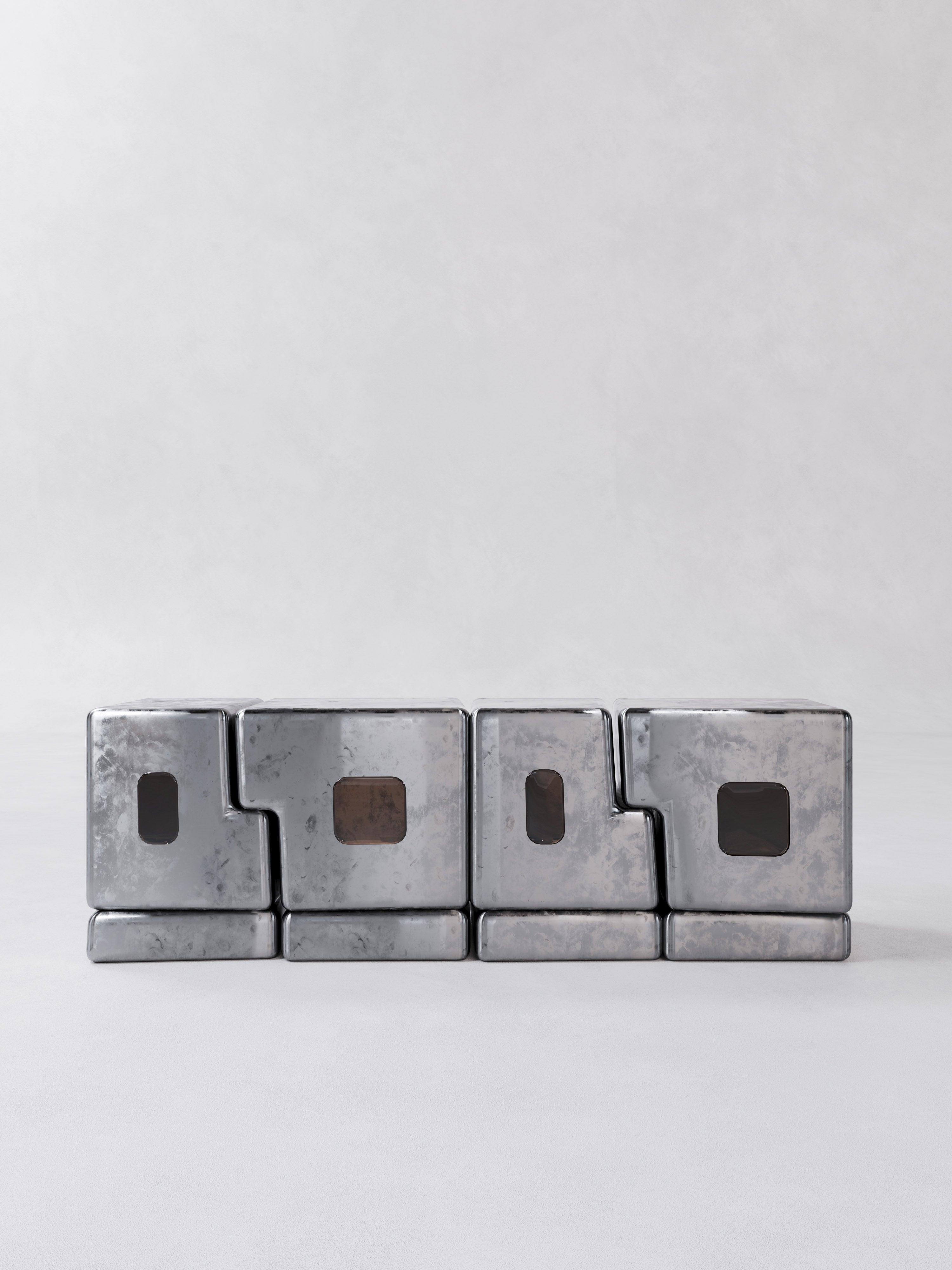
A room can be very well put together and still feel slightly anonymous. What it often needs is one thing that is irreplaceable. It could be a piece of art, or a piece of furniture with a distinct and considered form. It doesn’t need to be costly, it needs to be chosen with actual attention rather than convenience.
A sofa like PLYN by FAINA does exactly this. Its form — low, massive, shaped like stones worn smooth by water — is not neutral furniture. It is the room’s argument. Everything placed around it responds to it. The kind of piece that makes the rest of the room make sense.
"The interiors that stay in memory are never the fullest ones. They are the ones where you felt, walking in, that someone had thought carefully about what it means to be inside a room. About proportion. About light. About what a space does to the person living inside it." — Victoria Yakusha