

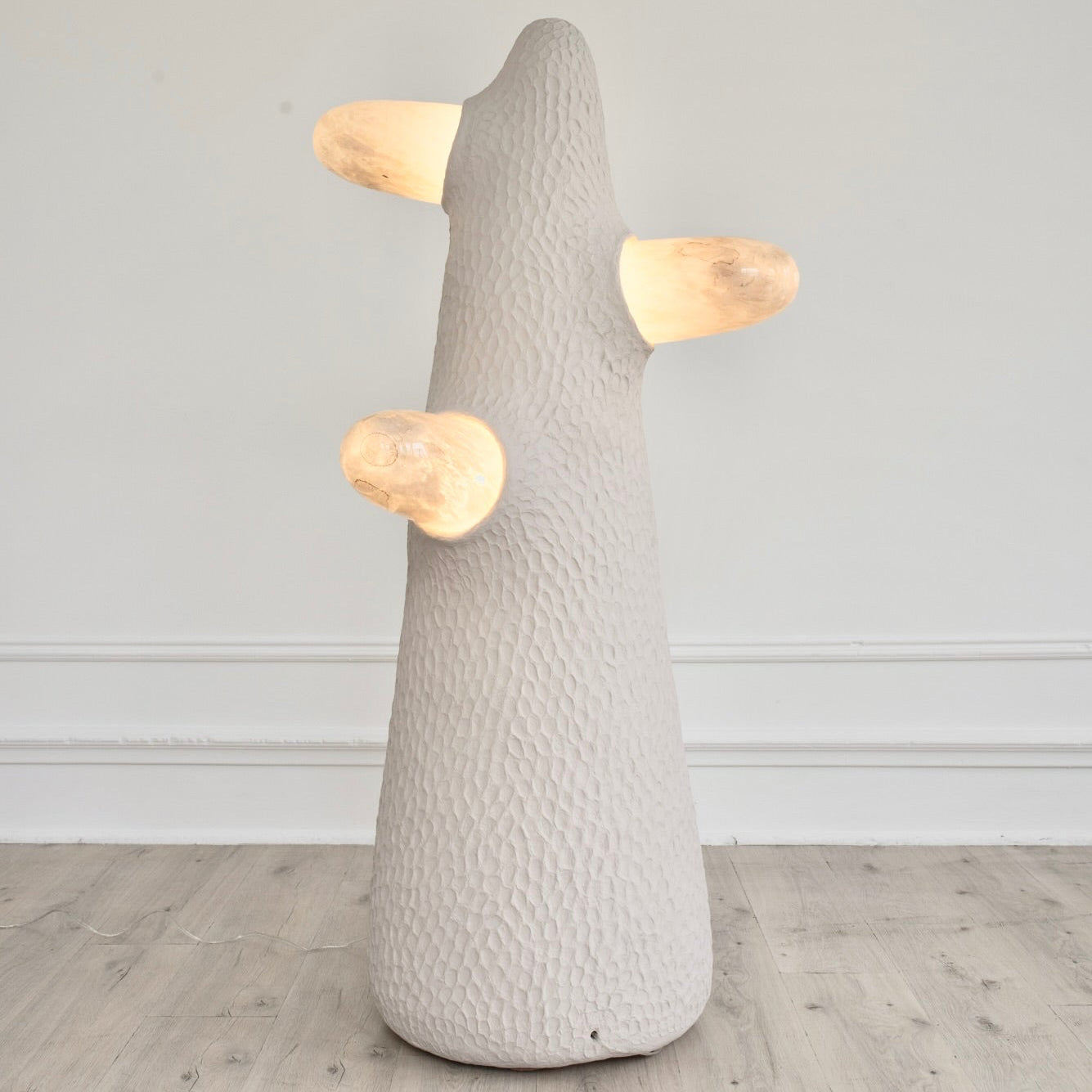

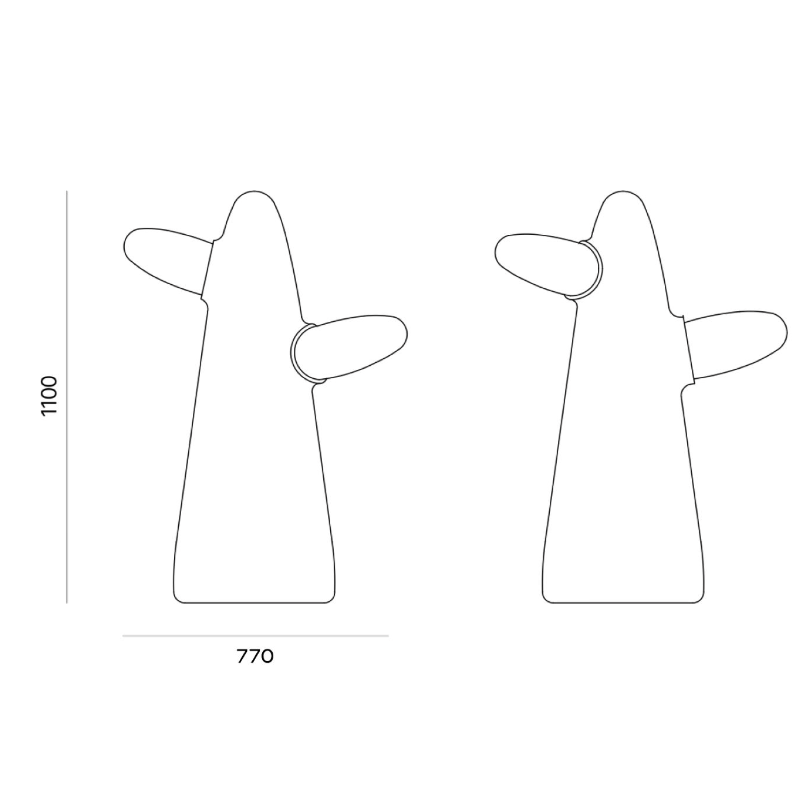

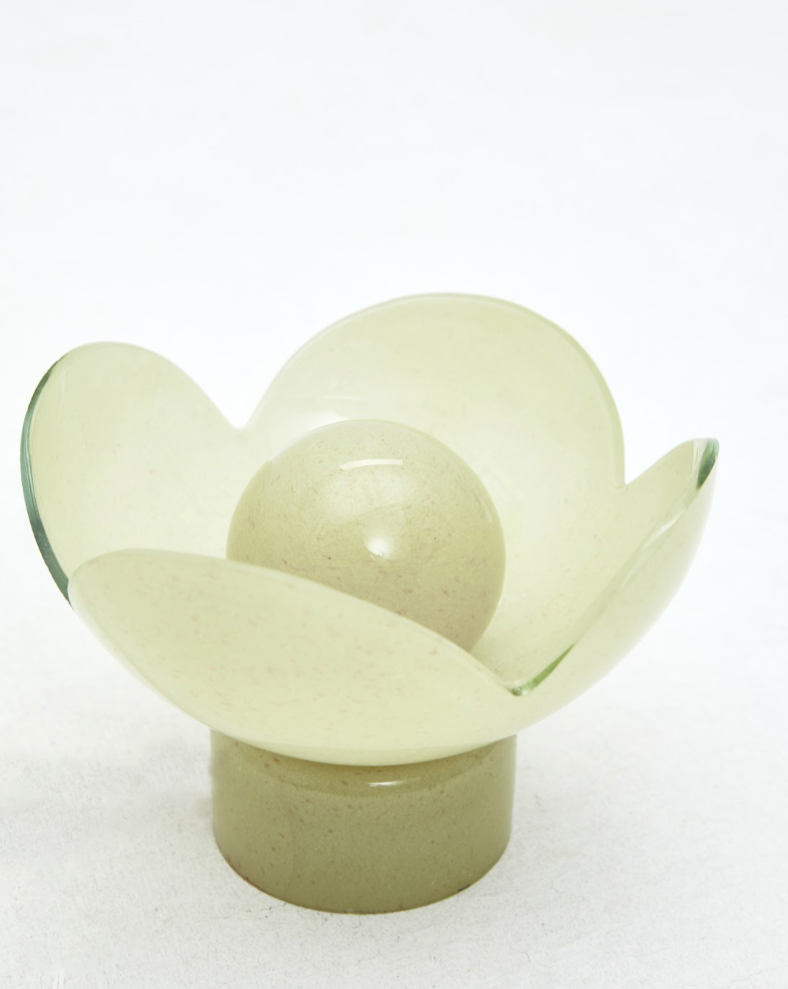

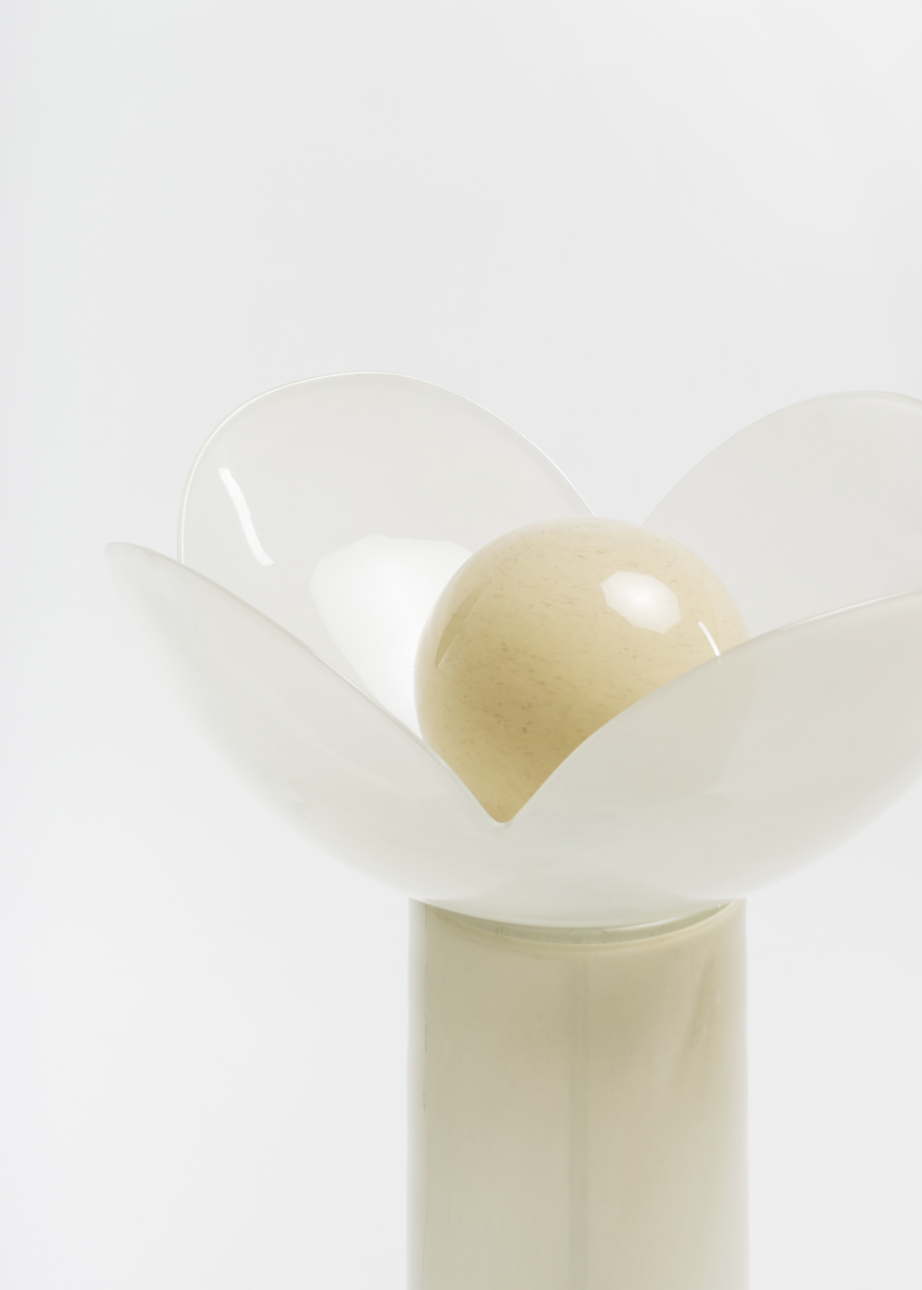

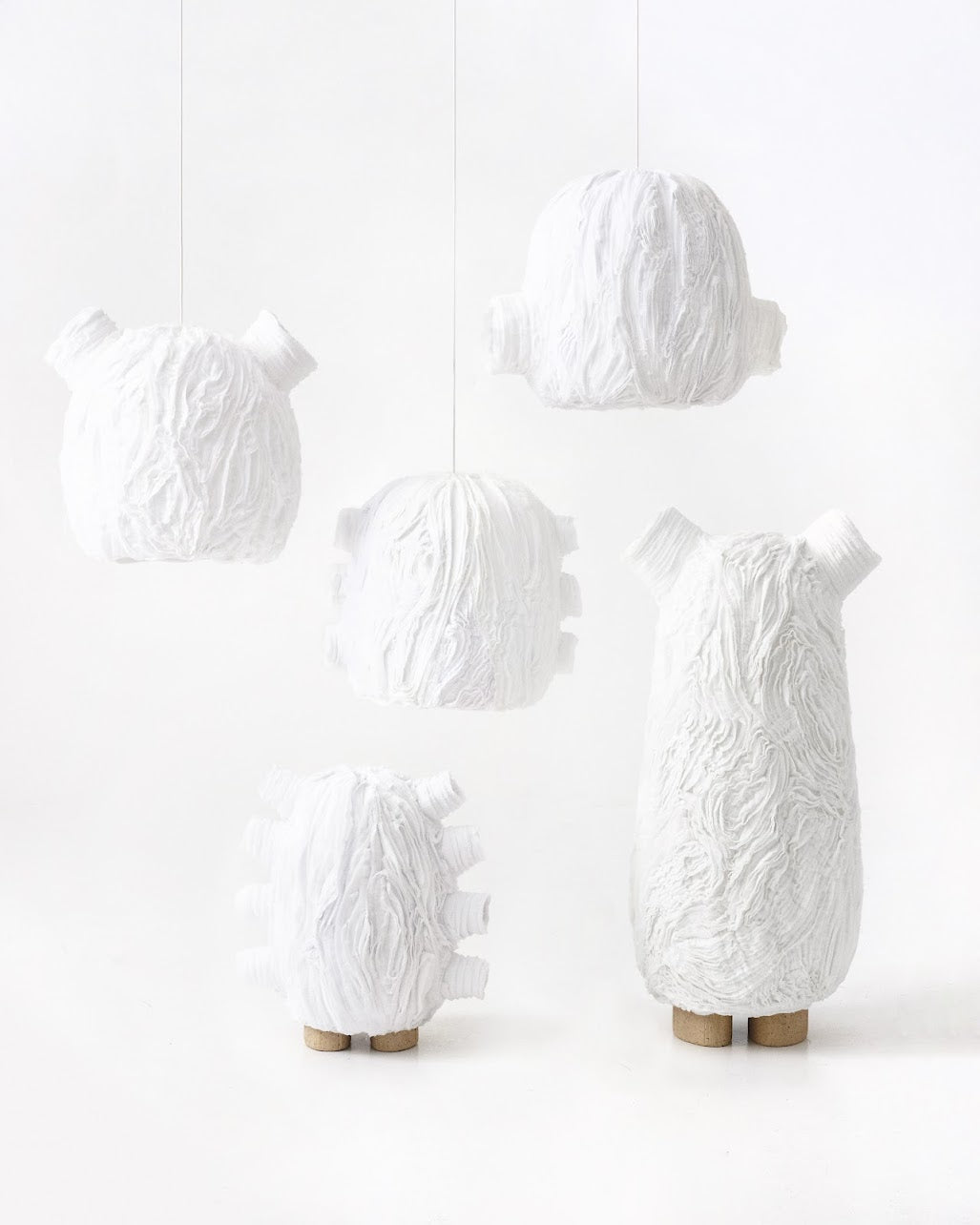
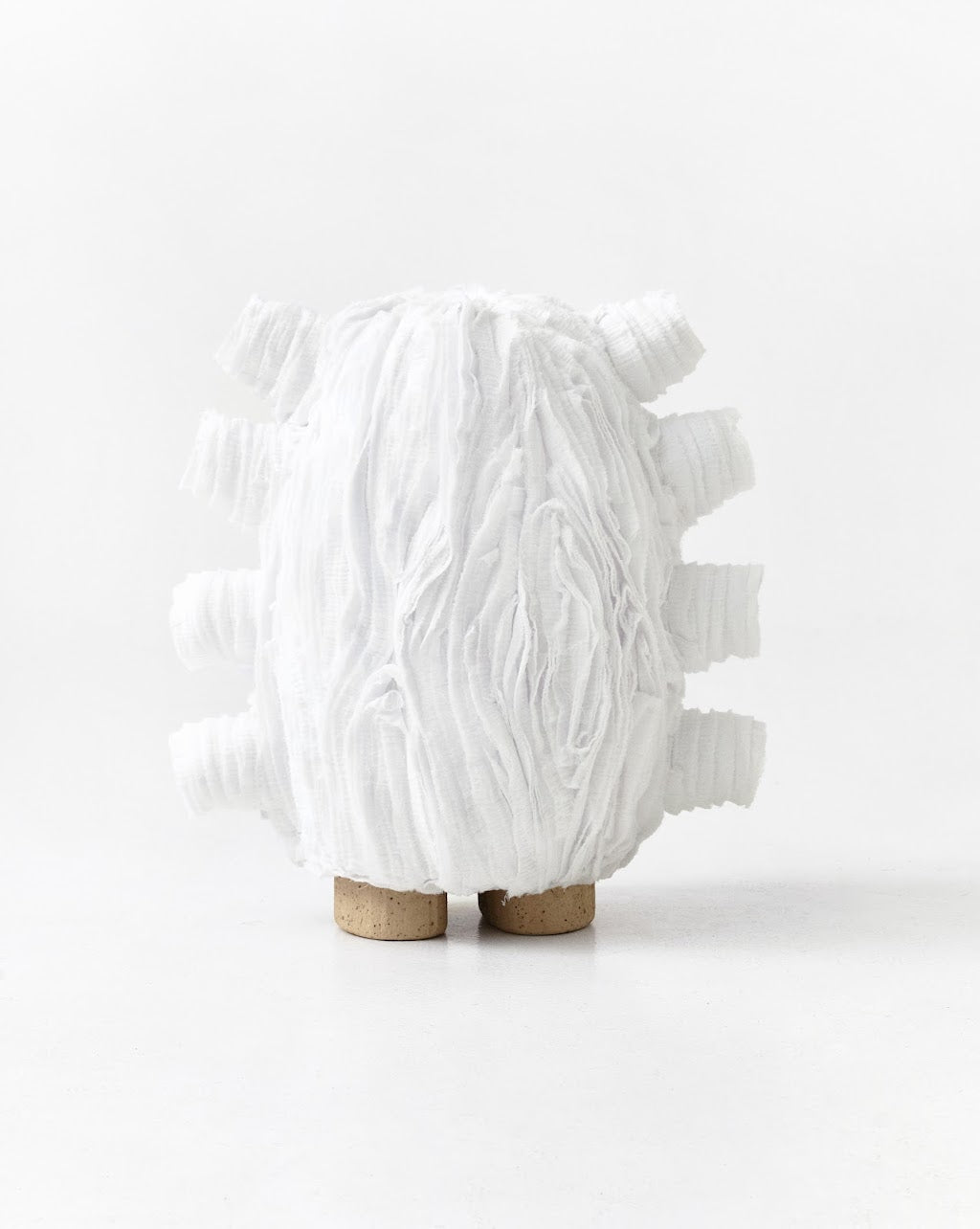
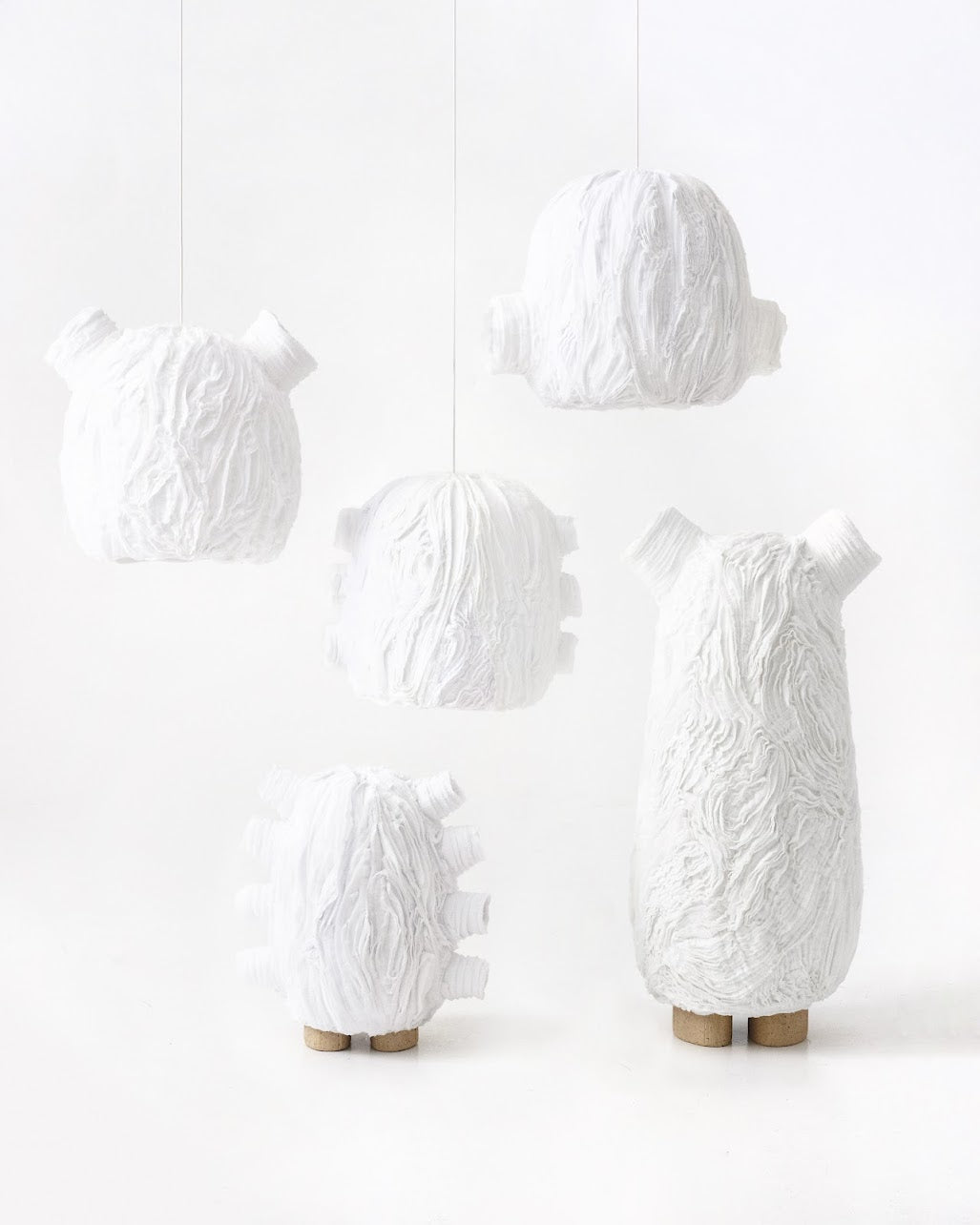

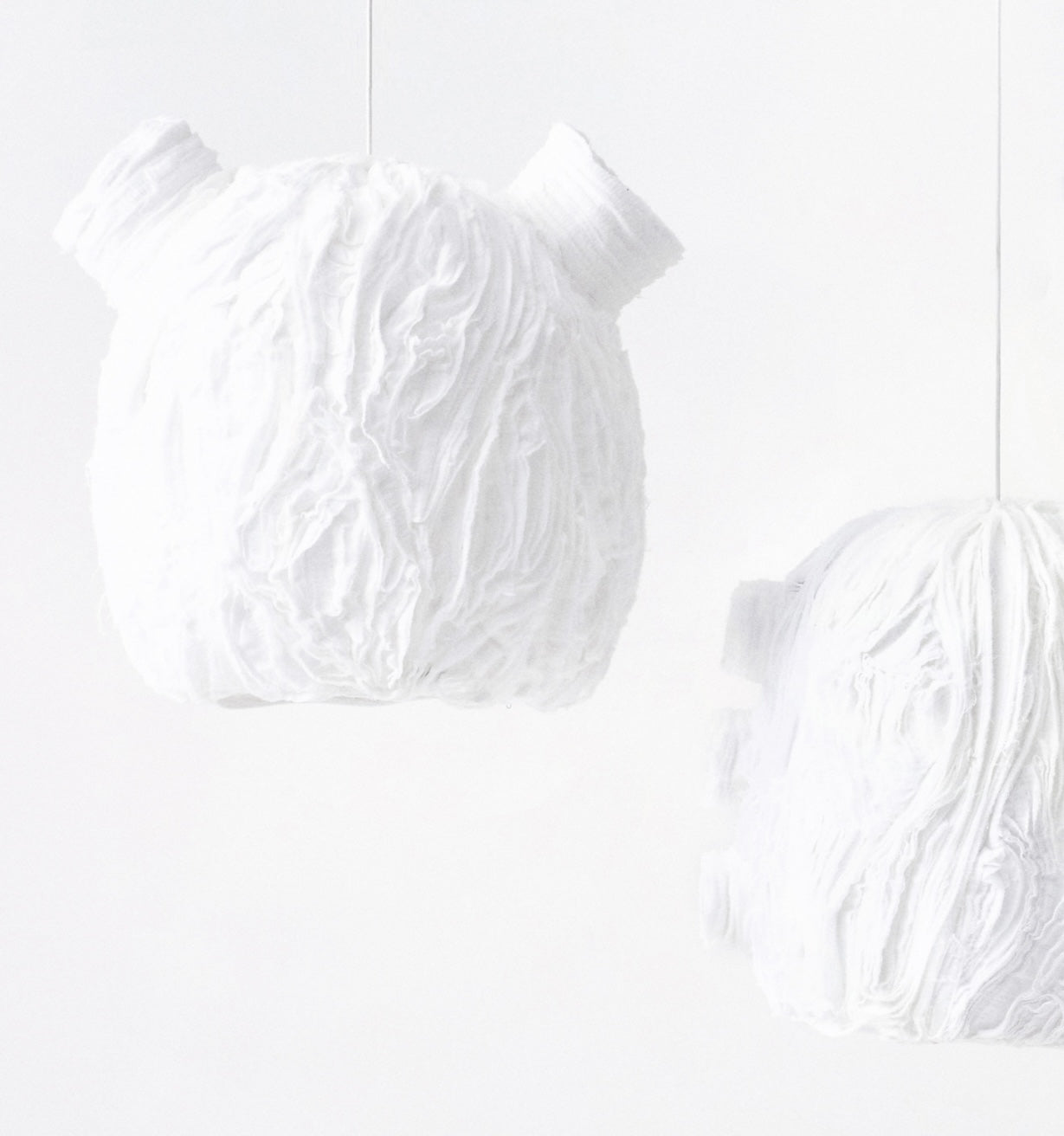

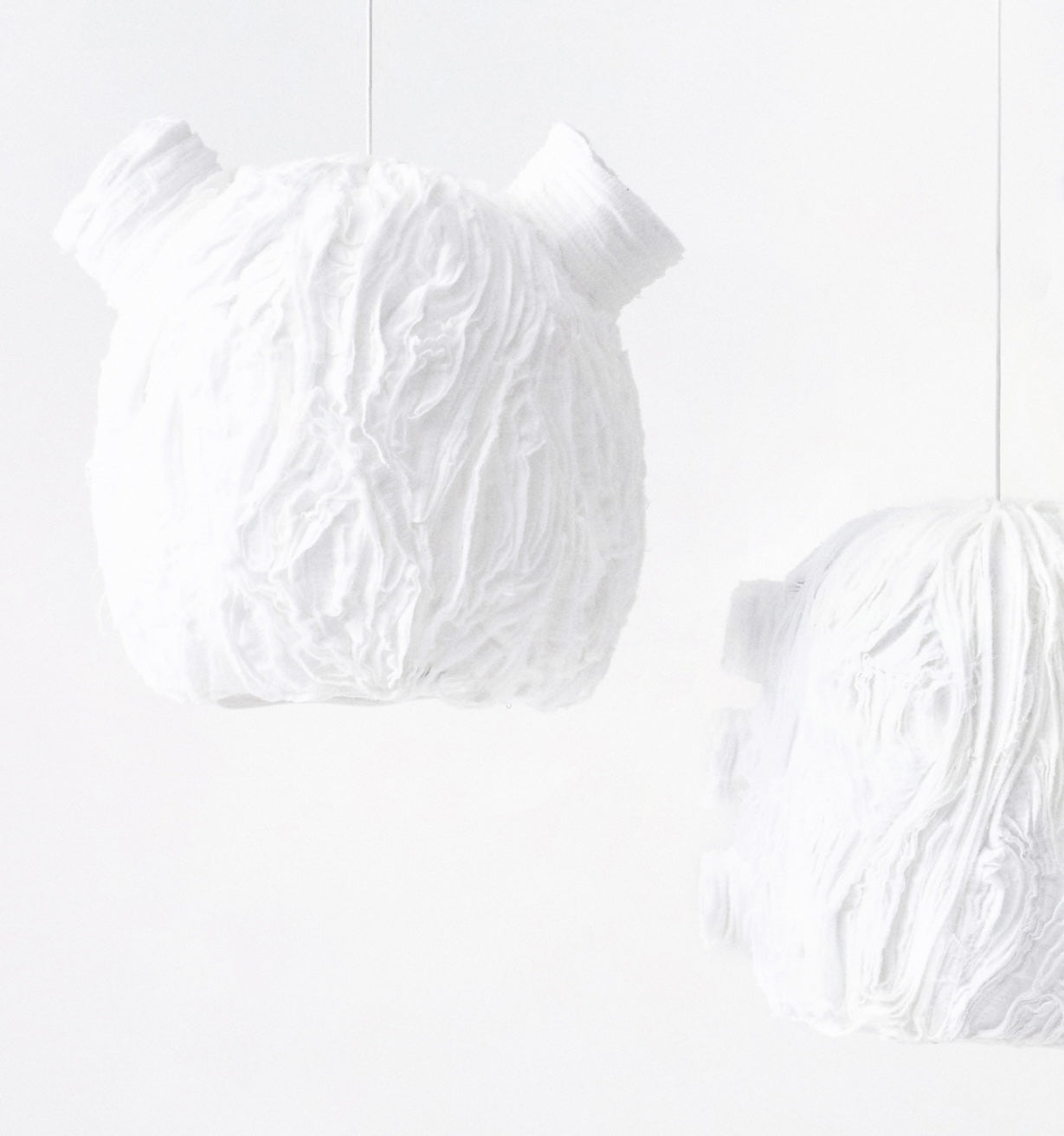

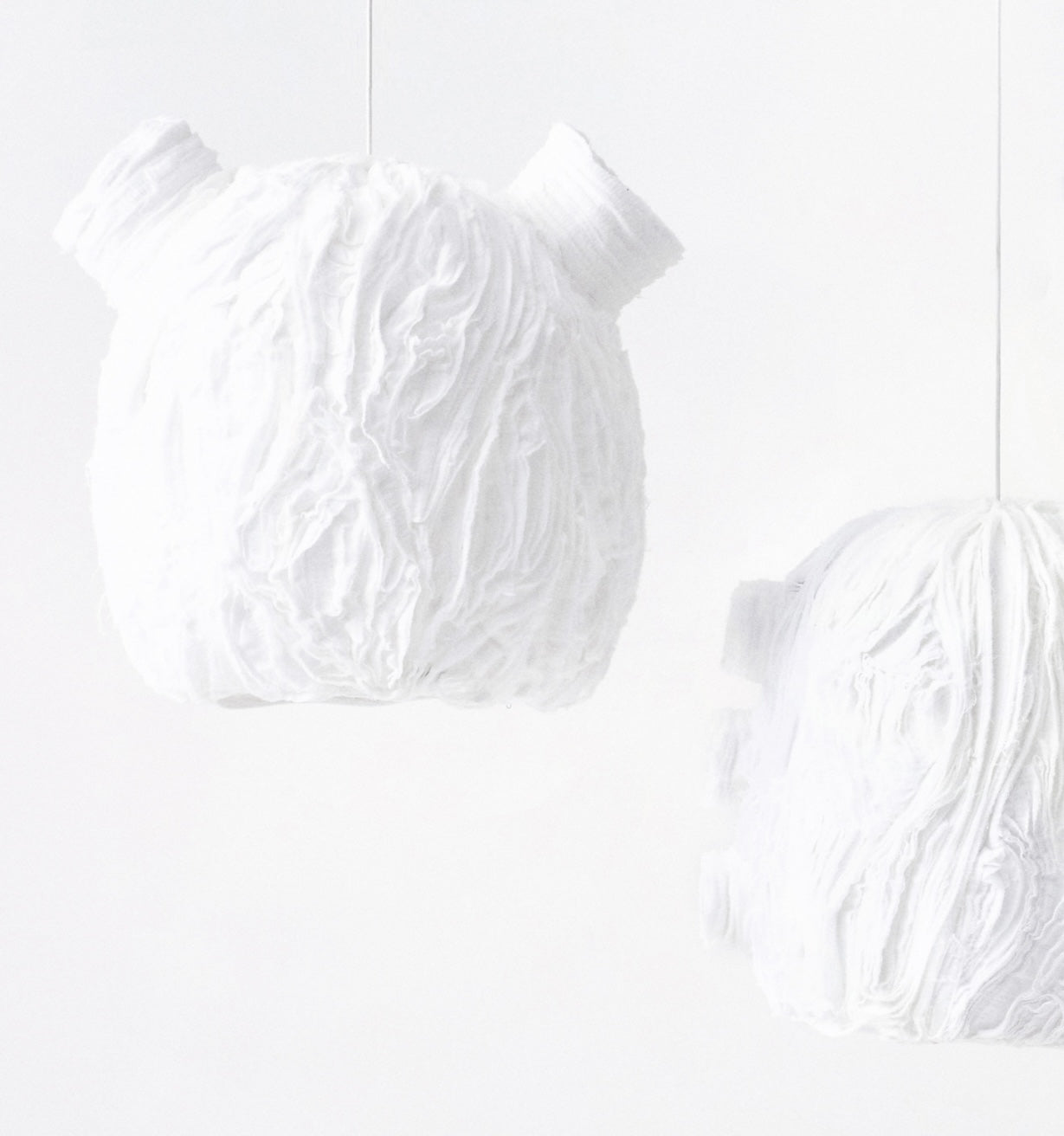

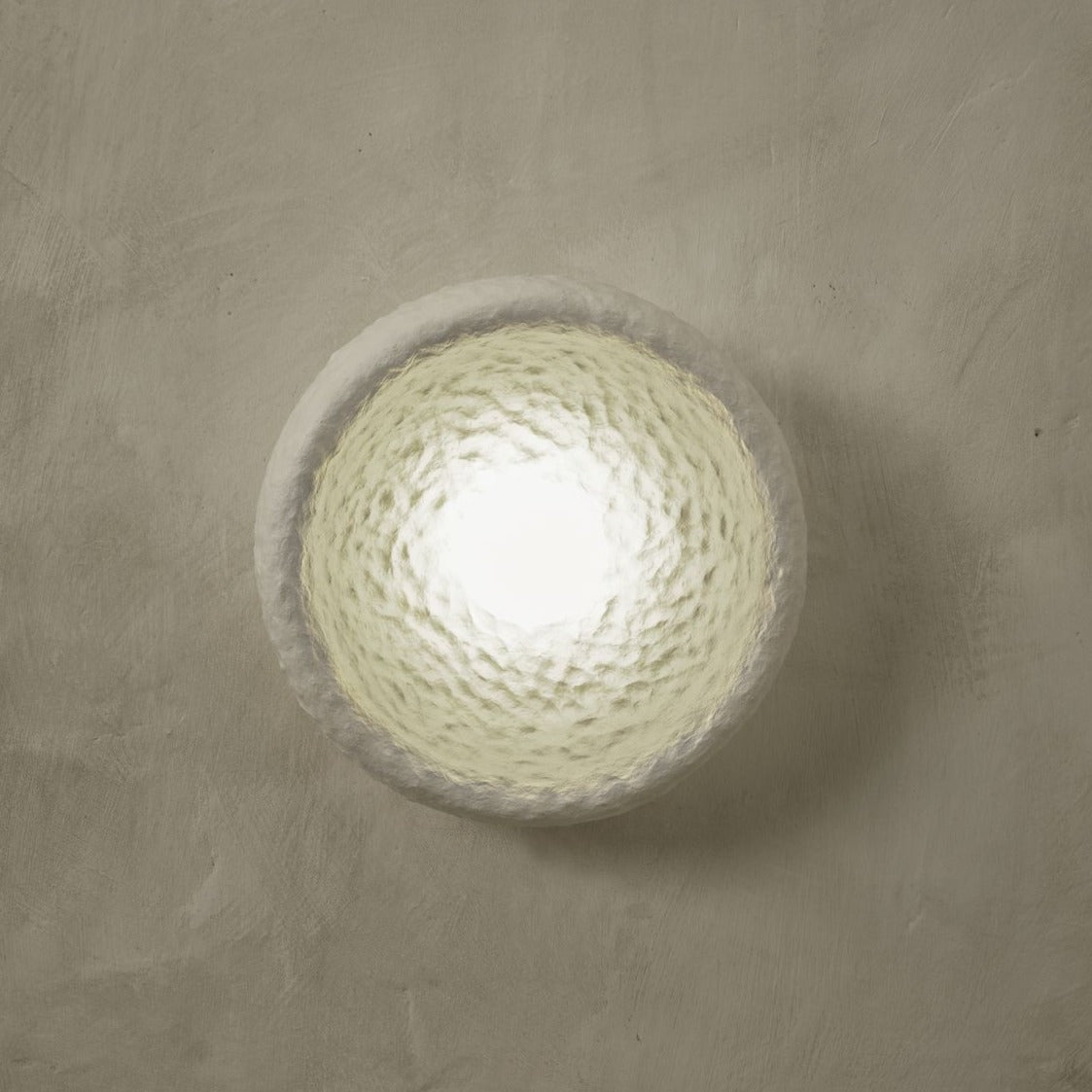

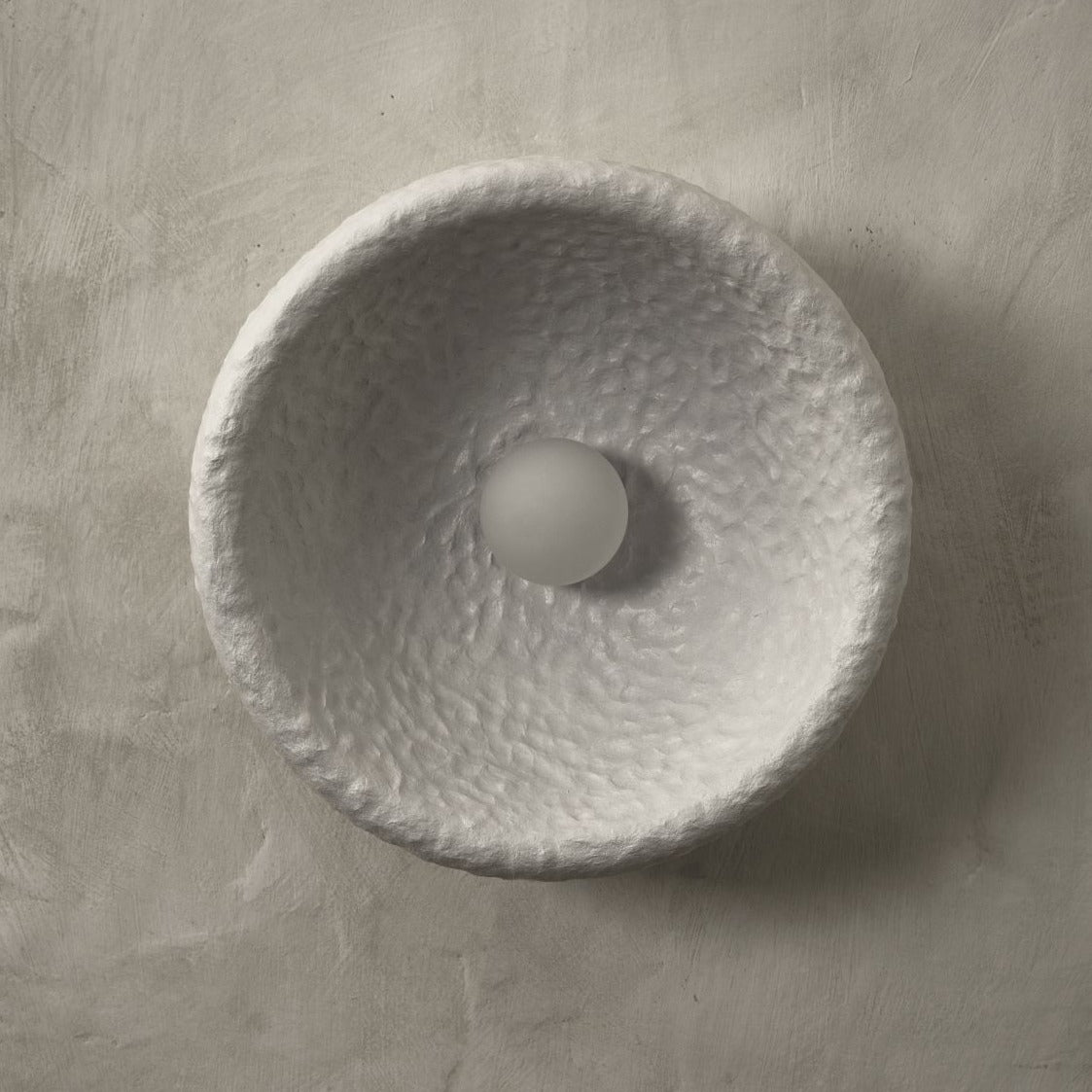

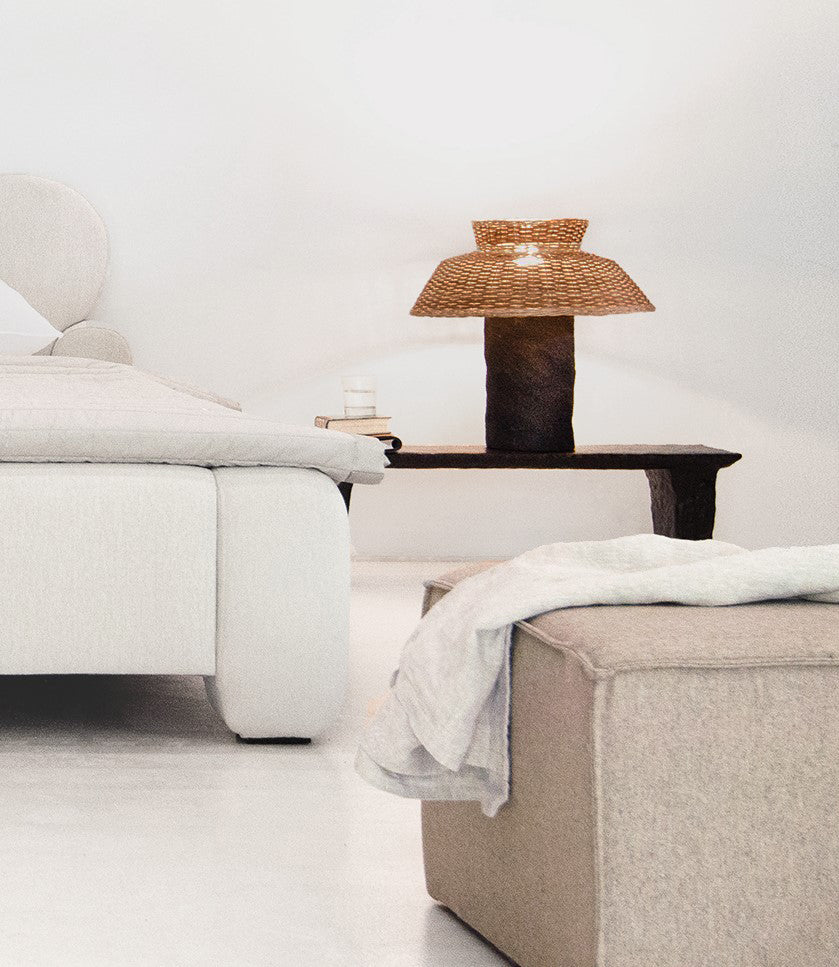

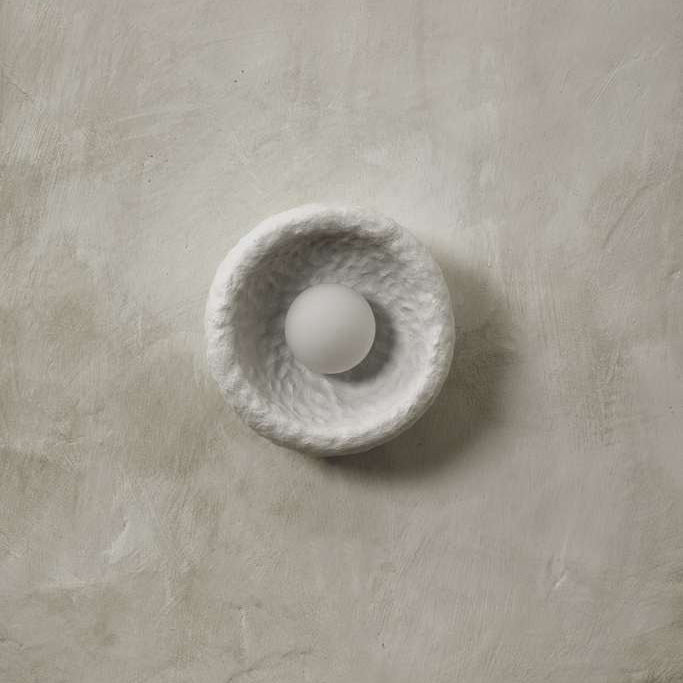

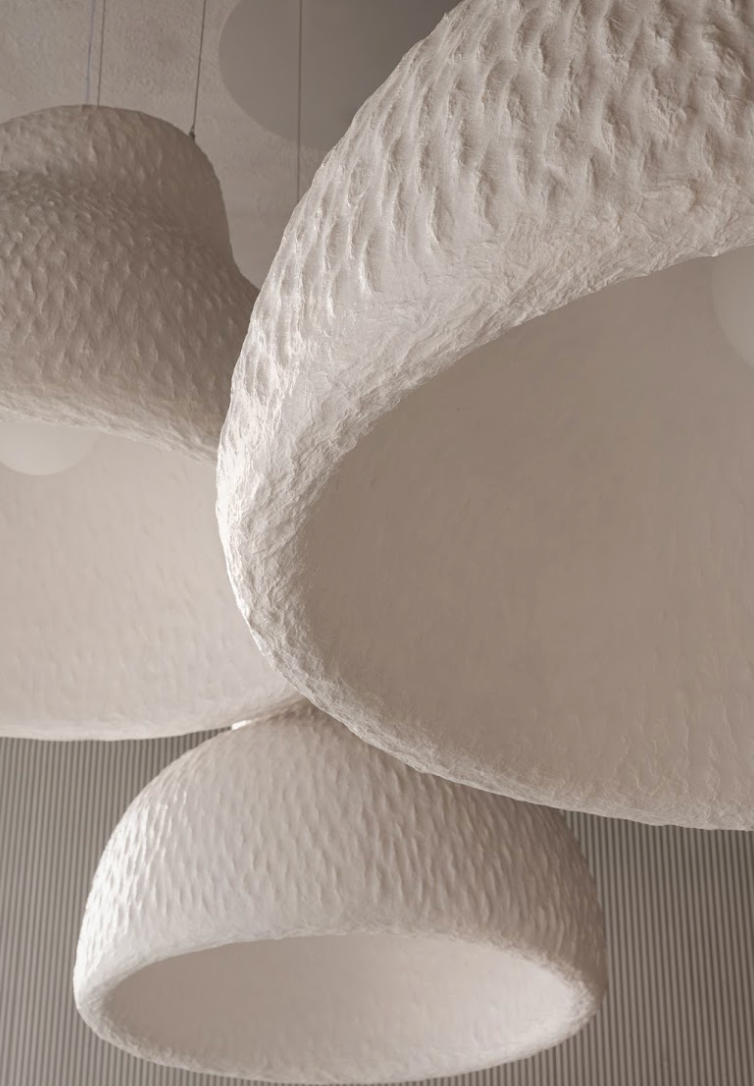

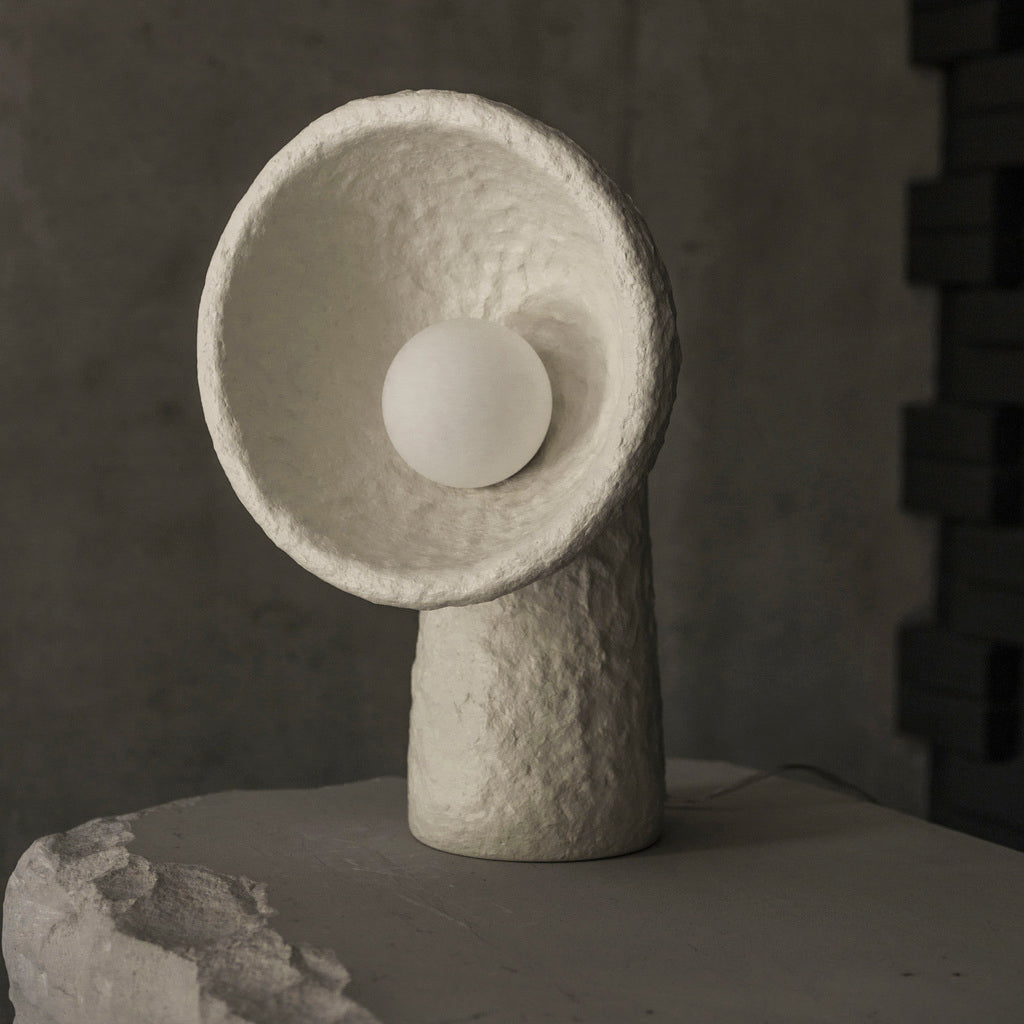

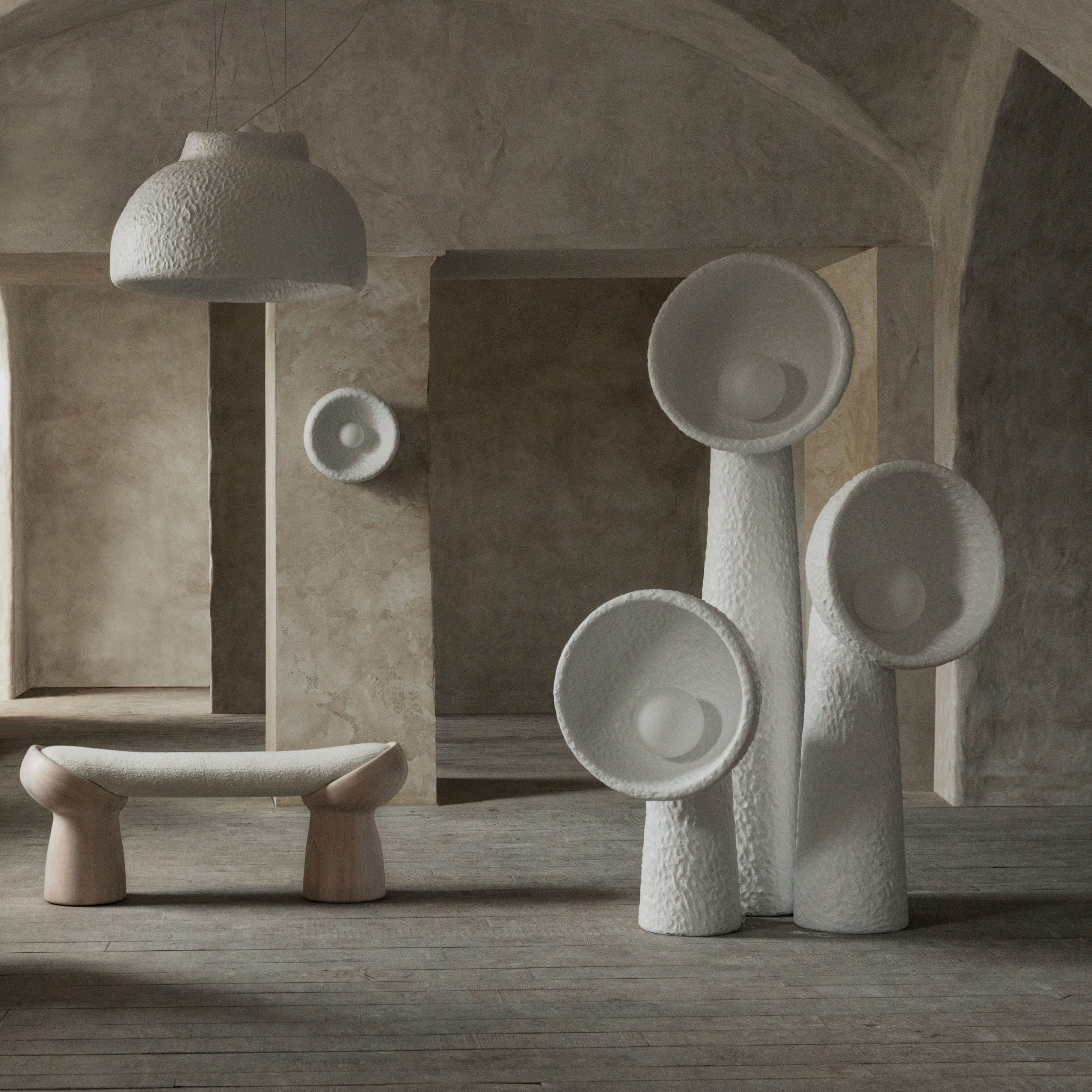


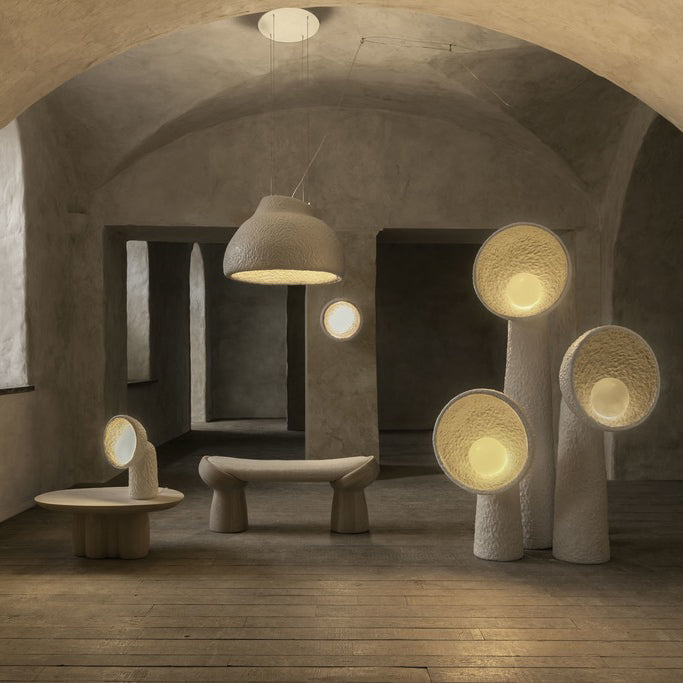
In today's interiors, home office lighting affects focus and well-being and can affect our state of mind while we work, create, and stay rooted all day long. It is arguably the most crucial element of a productive working environment that connects us by transitioning from bright clarity in the day to soft and reflective in the evening. FAINA considers lighting as sculptural architecture: every lighting piece adds form, material and tactility to enhance the emotional climate of the room while enabling long stretches of attention.
Explore our collection of home office lights including ceiling fixtures, table lights, and task-oriented designs.
Types of Home Office Lighting
A well-designed home office benefits from layered lighting — combining ambient, task, and accent illumination to support shifting modes of concentration throughout the day.
Ceiling Light
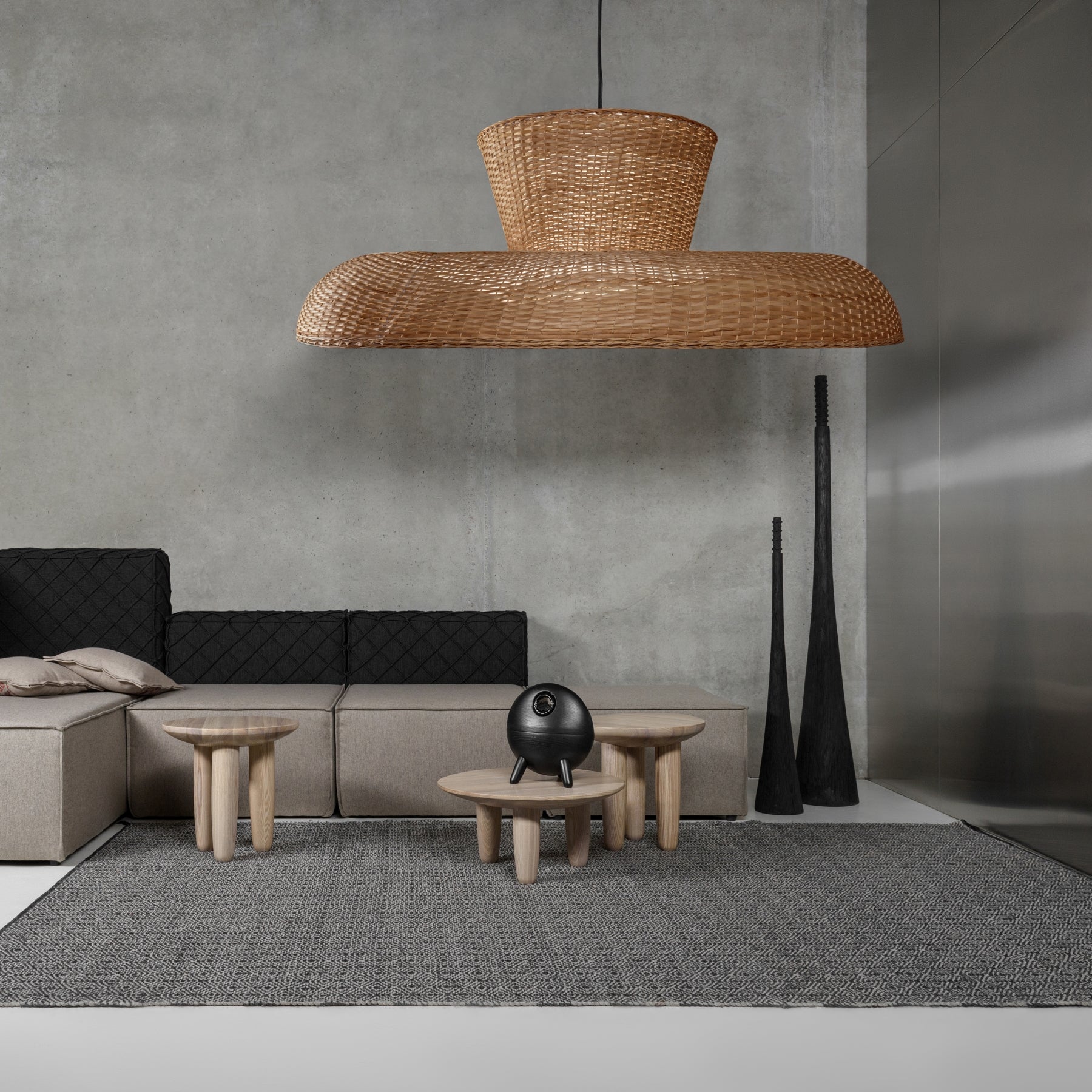
A ceiling-mounted fixture supplies the basic floor level of ambient light, giving the room an open and welcoming sense. A pendant light hung at the center of the ceiling or above a work table will introduce rhythm and scale in the space. SONIAH Pendant, designed based on the sunflower's quiet power of symbolism, offers a smooth, organic light that is effective without being blinding.
Floor Lamps
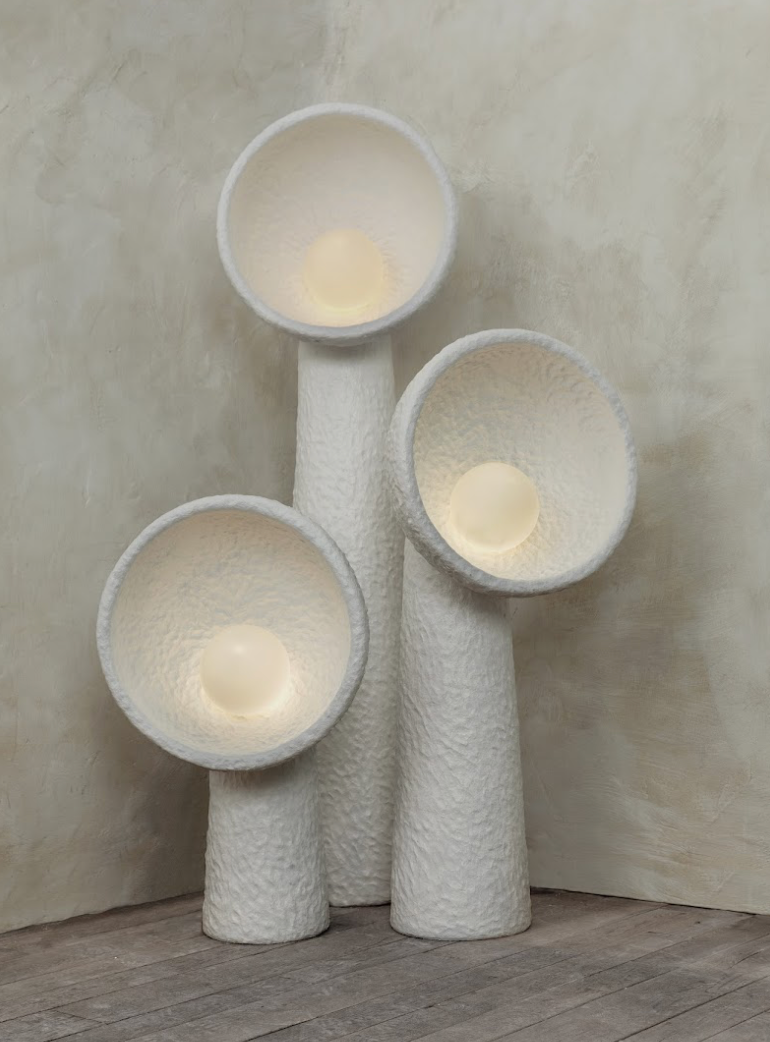
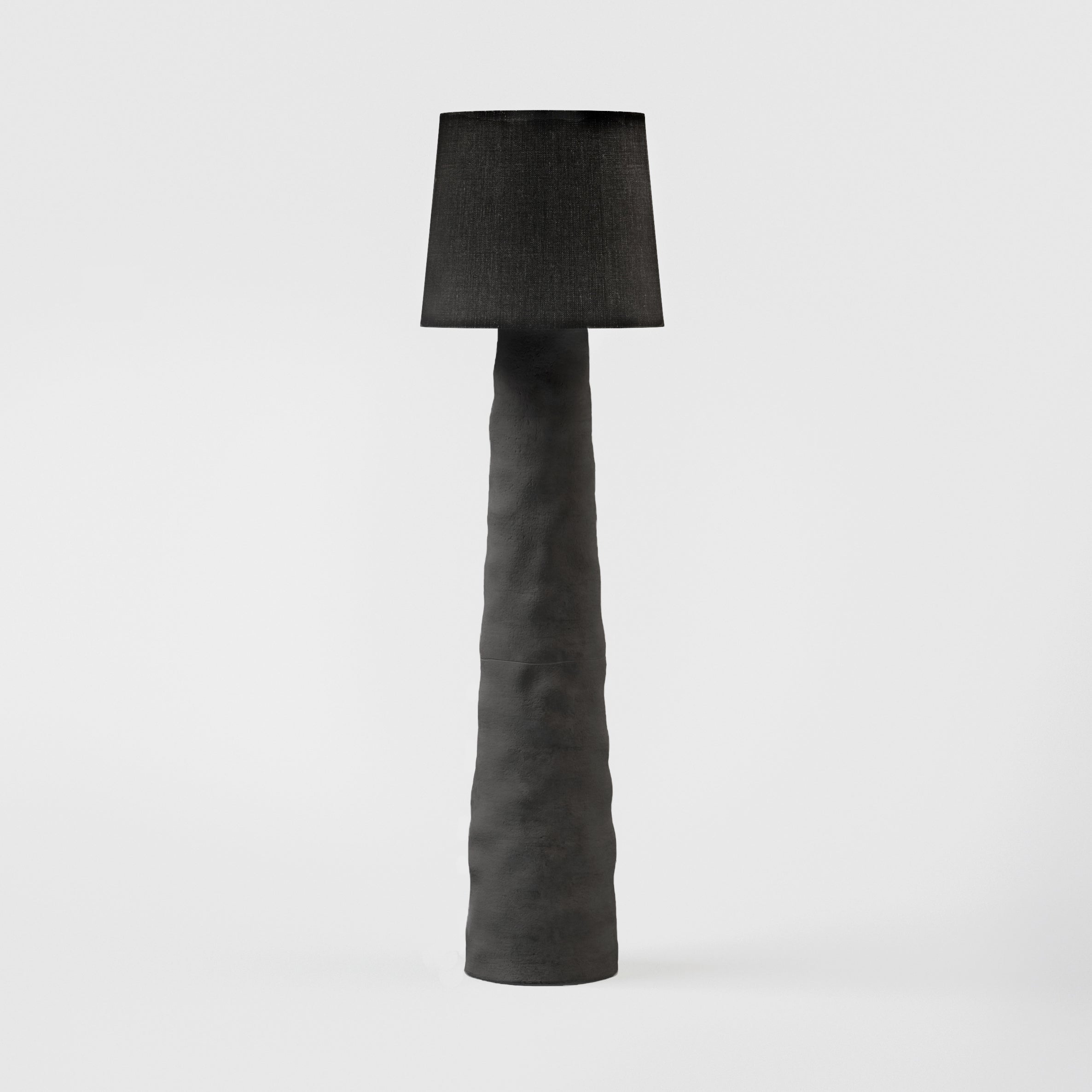
In a multifunctional office, lamp lighting aids the visual balance of the space where seating, reading and meeting areas are part of the layout. A Floor Lamp sitting beside an armchair or next to a side-shelf introduces vertical warmth and softens the perimeter of the office. It's essential in a fully functional office that requires a transition between serious work and reflective thought.
Table Lamps
Table lamps provide targeted lighting used primarily for reading, writing, sketching, and computer work. They create a directed glow when placed on a desk or side console to limit eye strain and add sculptural layers to the workspace tableau.
How to Choose the Right Home Office Lighting
Lighting for your home office should begin with how you work in the space. If your work involves hours on the computer, it is important to balance nearby ambient lighting and task lighting so you are not hindered by fatigue. A pendant or ceiling light should soften the room as a whole to reduce the tendency of creating stark-enough contrast from a single light source such as a desk lamp.
The task lighting should be at eye level or below, purposefully directed at a work surface for readability while glancing at screens. Material also matters - consider diffusers, clay, matte, or other texture materials that provide light in a more organic manner while reducing glare, and increasing focus and warmth in the emotional context of the work space.
FAQs
Do I need multiple light sources in a home office?
Yes. A combination of a ceiling light and one or two task-oriented lamps creates even, comfortable illumination.
Are sculptural lamps practical for workspaces?
Absolutely. Sculptural forms like SONIAH, STRIKHA, and SLUHACH offer functional lighting suitable for long work sessions.
Should I use warm or cool light?
Warm-to-neutral tones (2700–3500K) support comfort and reduce strain, especially in offices that double as living spaces.
Where should I position my desk lamp?
Place it to the opposite side of your dominant hand to avoid casting shadows — and ensure it illuminates the work surface without reflecting on screens.
What if my home office shares space with a living room or bedroom?
Choose sculptural lighting that blends into the broader interior language. A pendant can define the workspace, while soft side lighting maintains the atmosphere in multifunctional rooms.