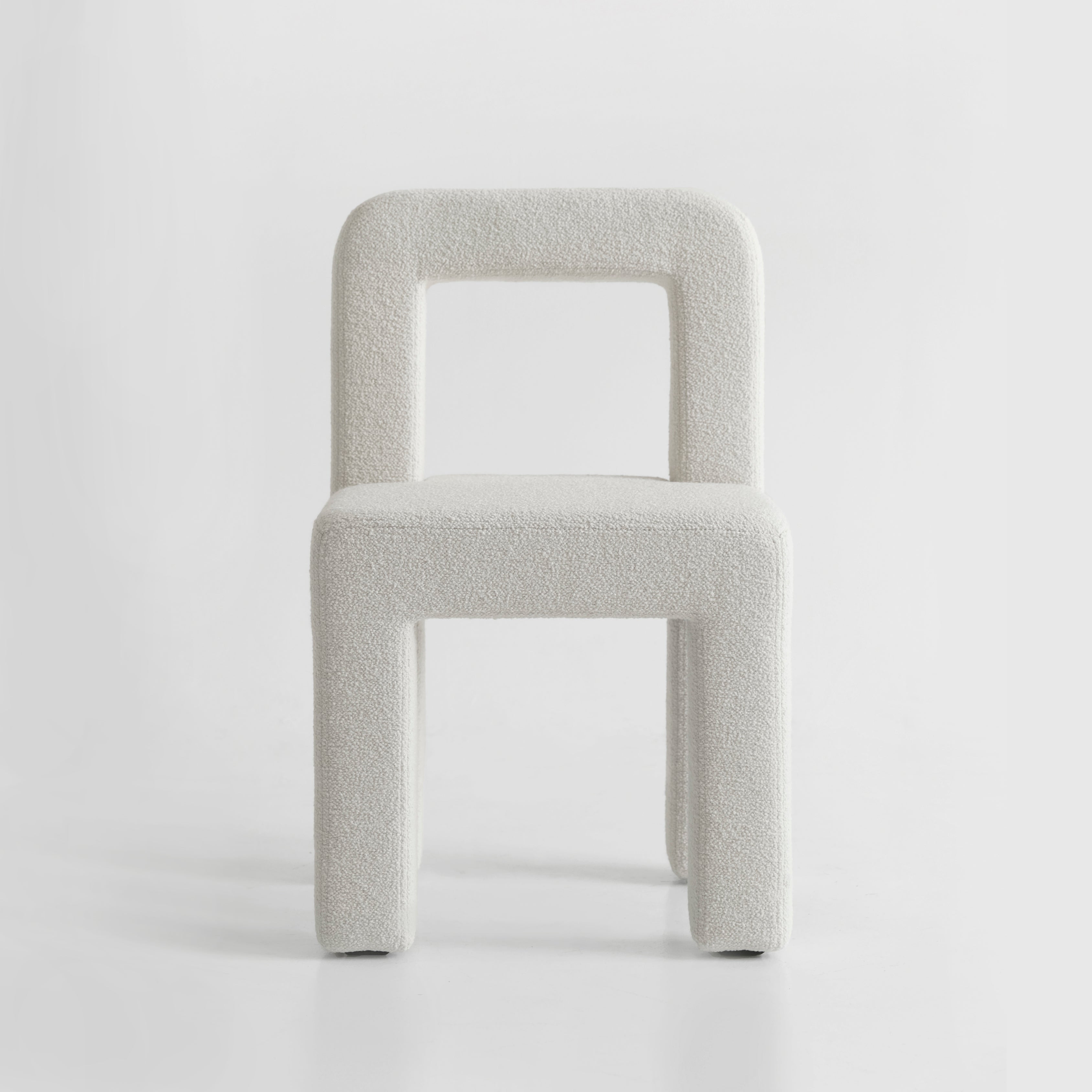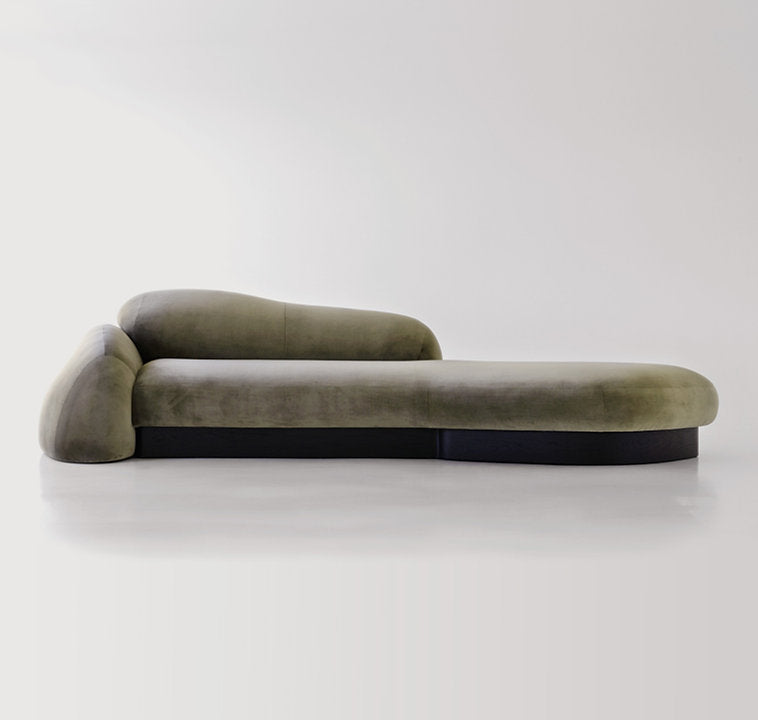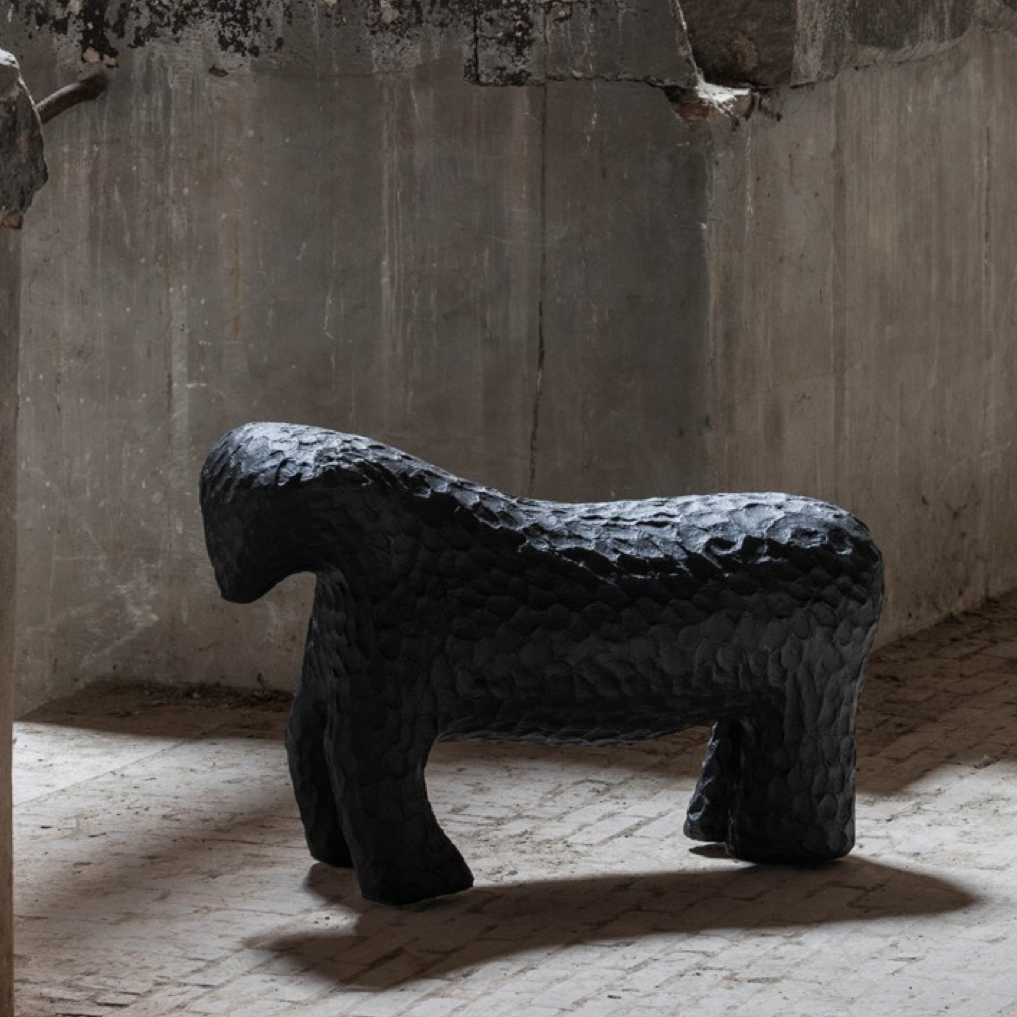

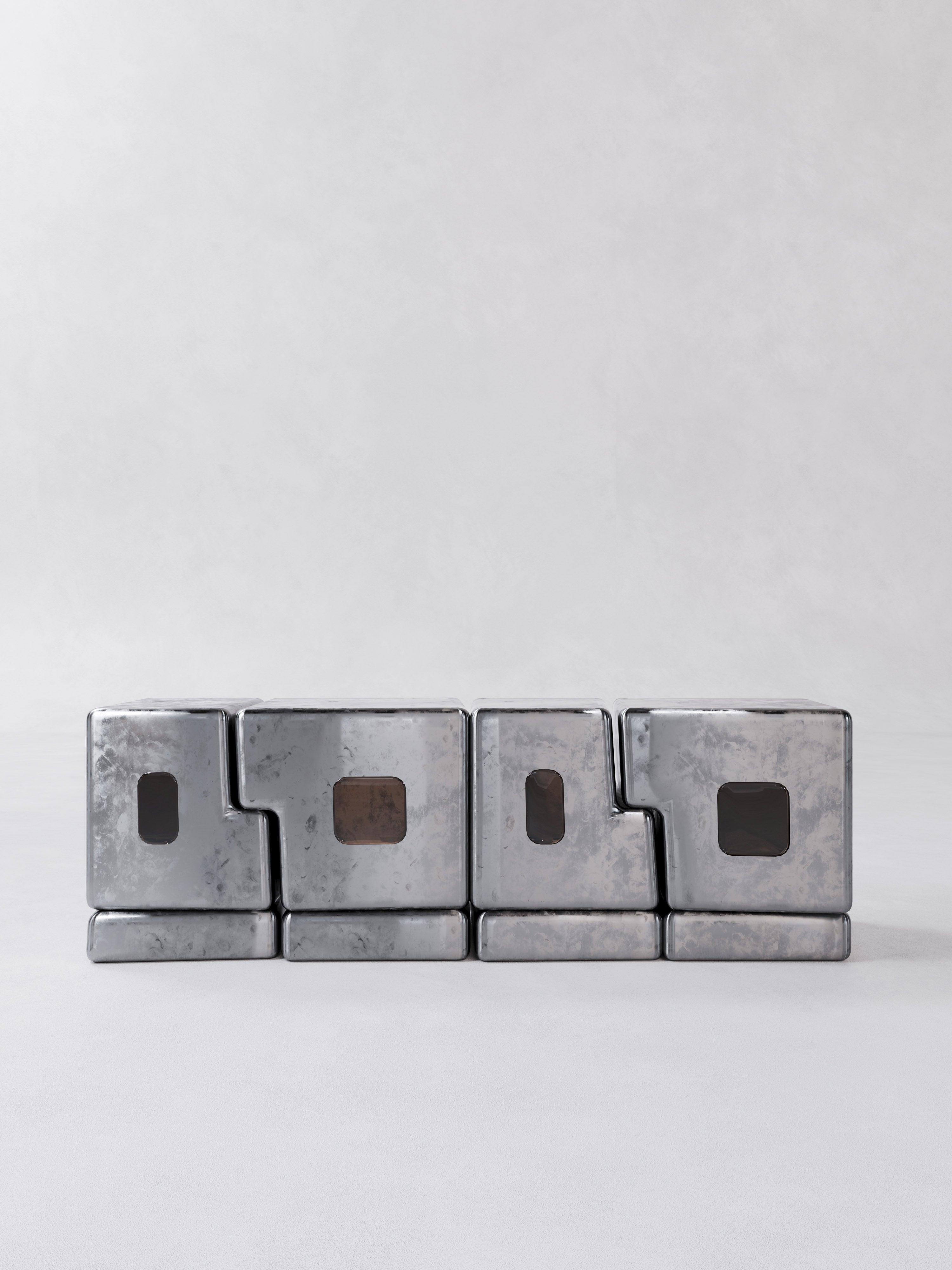
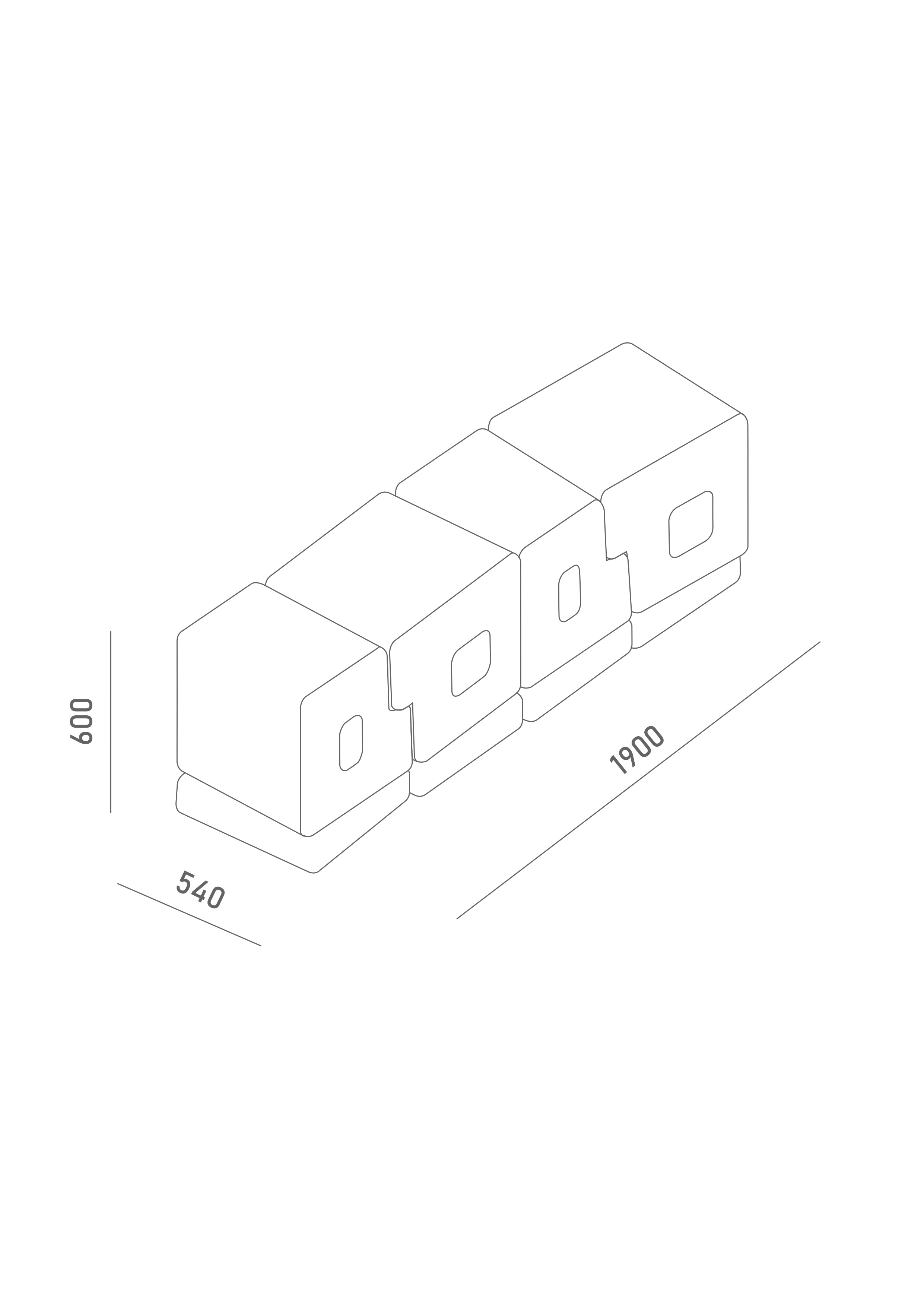
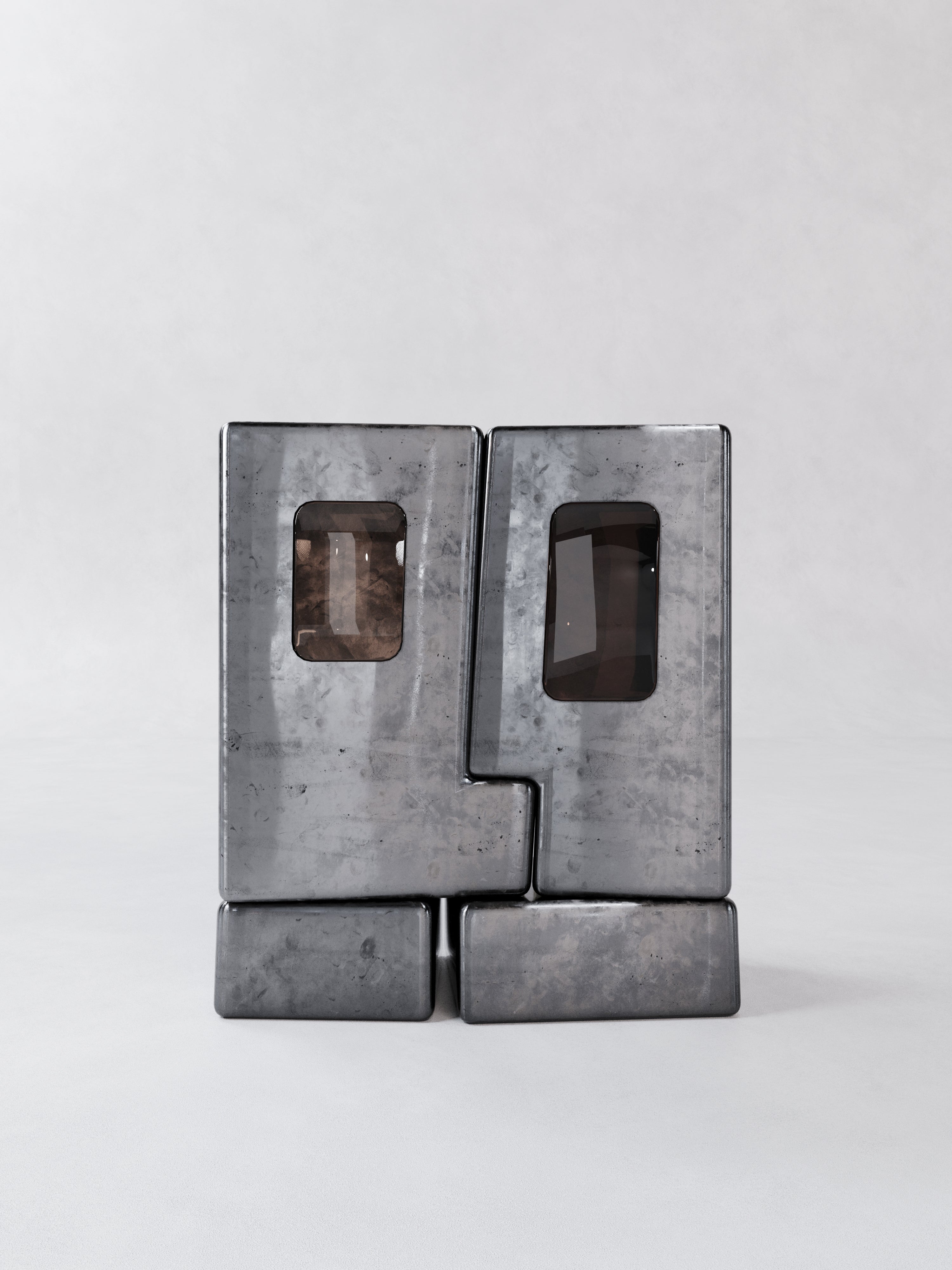
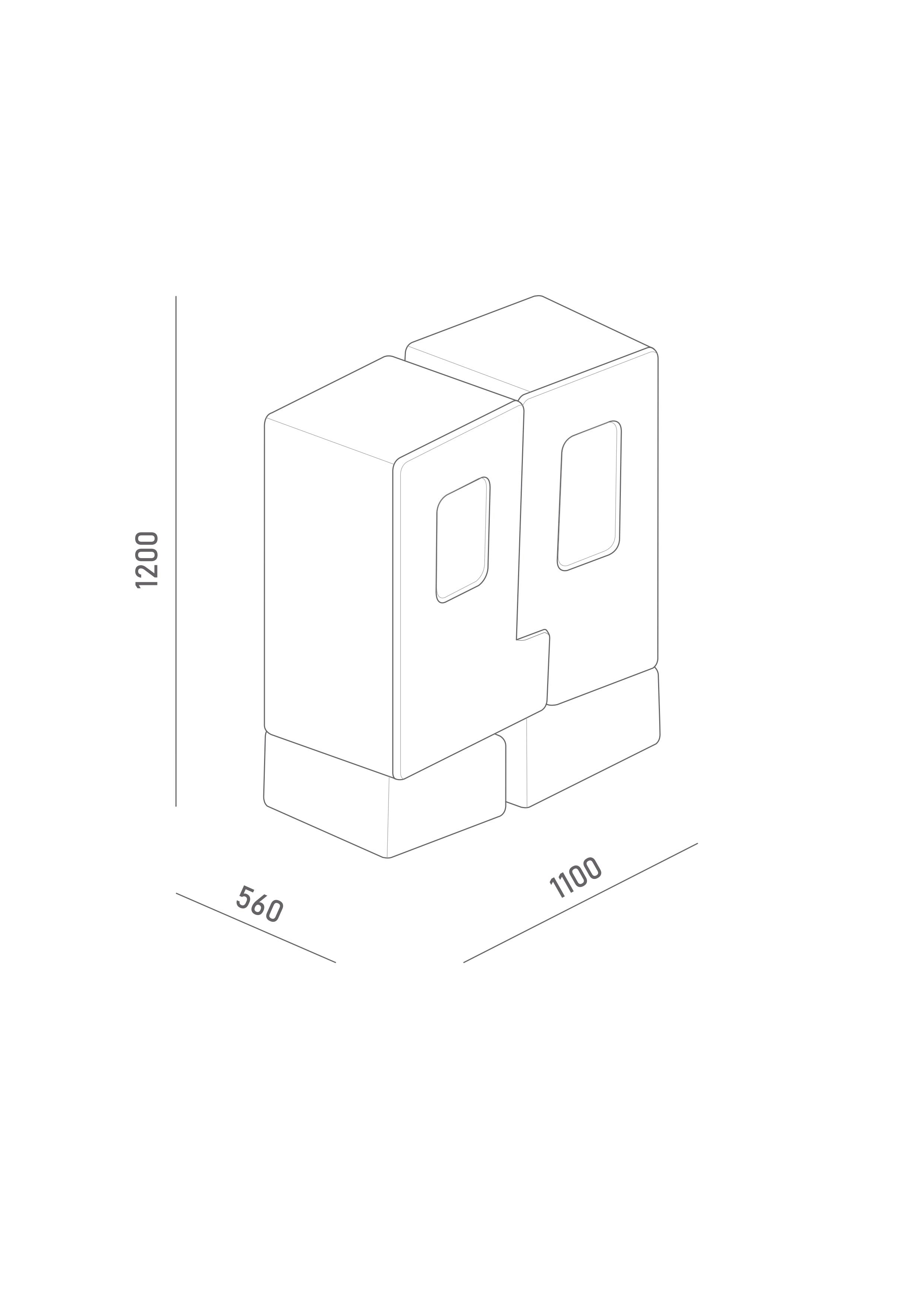
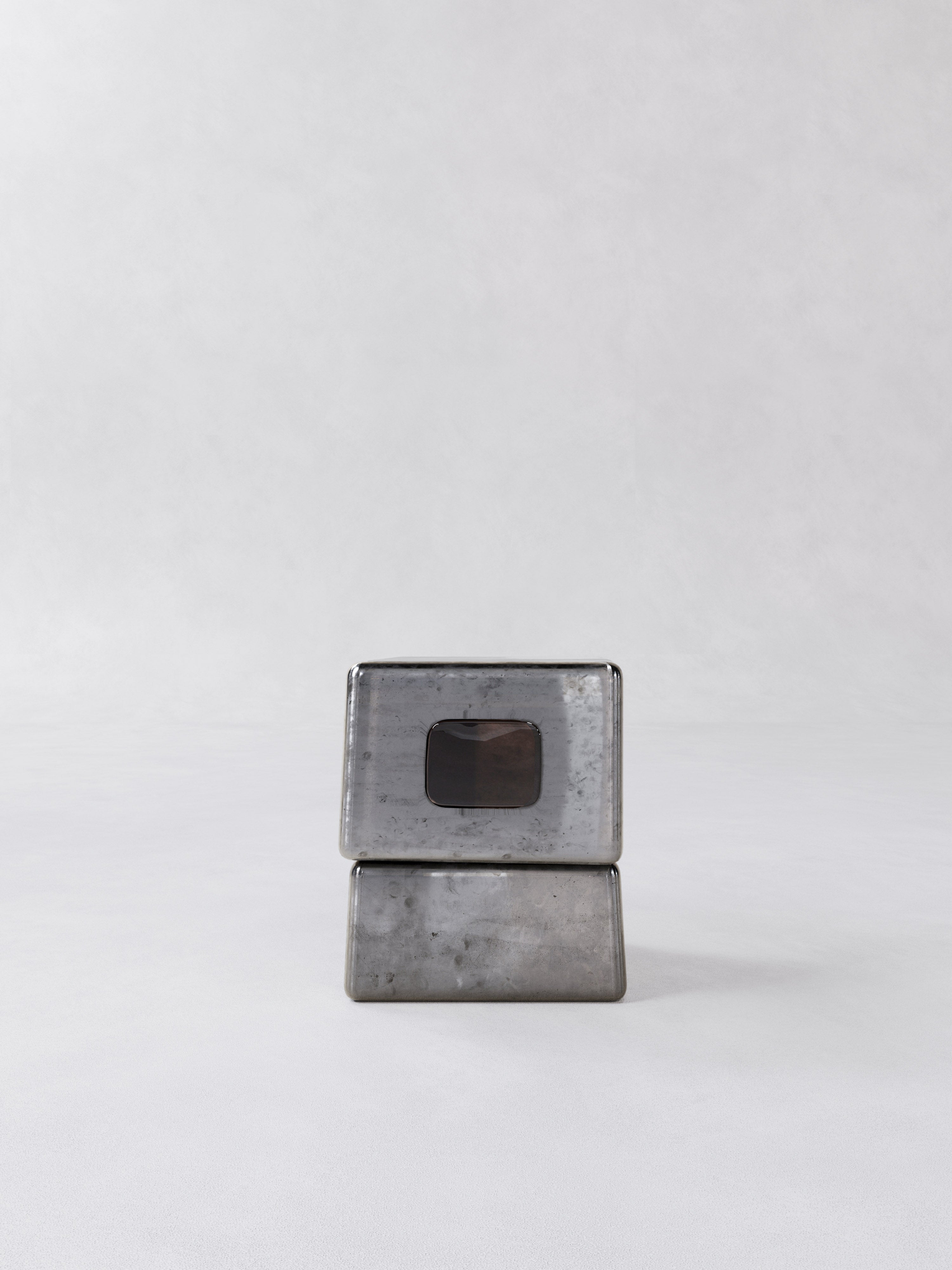



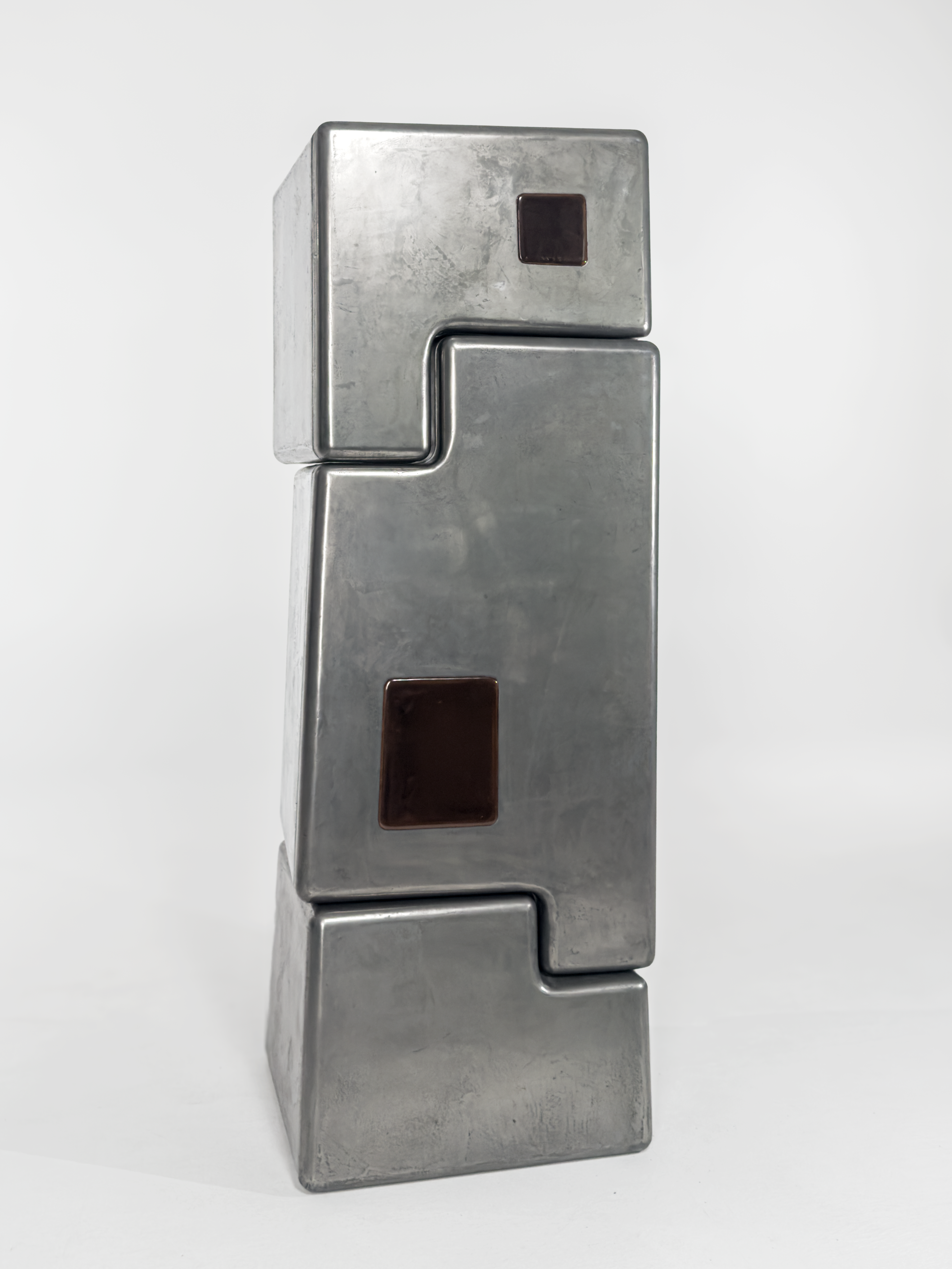
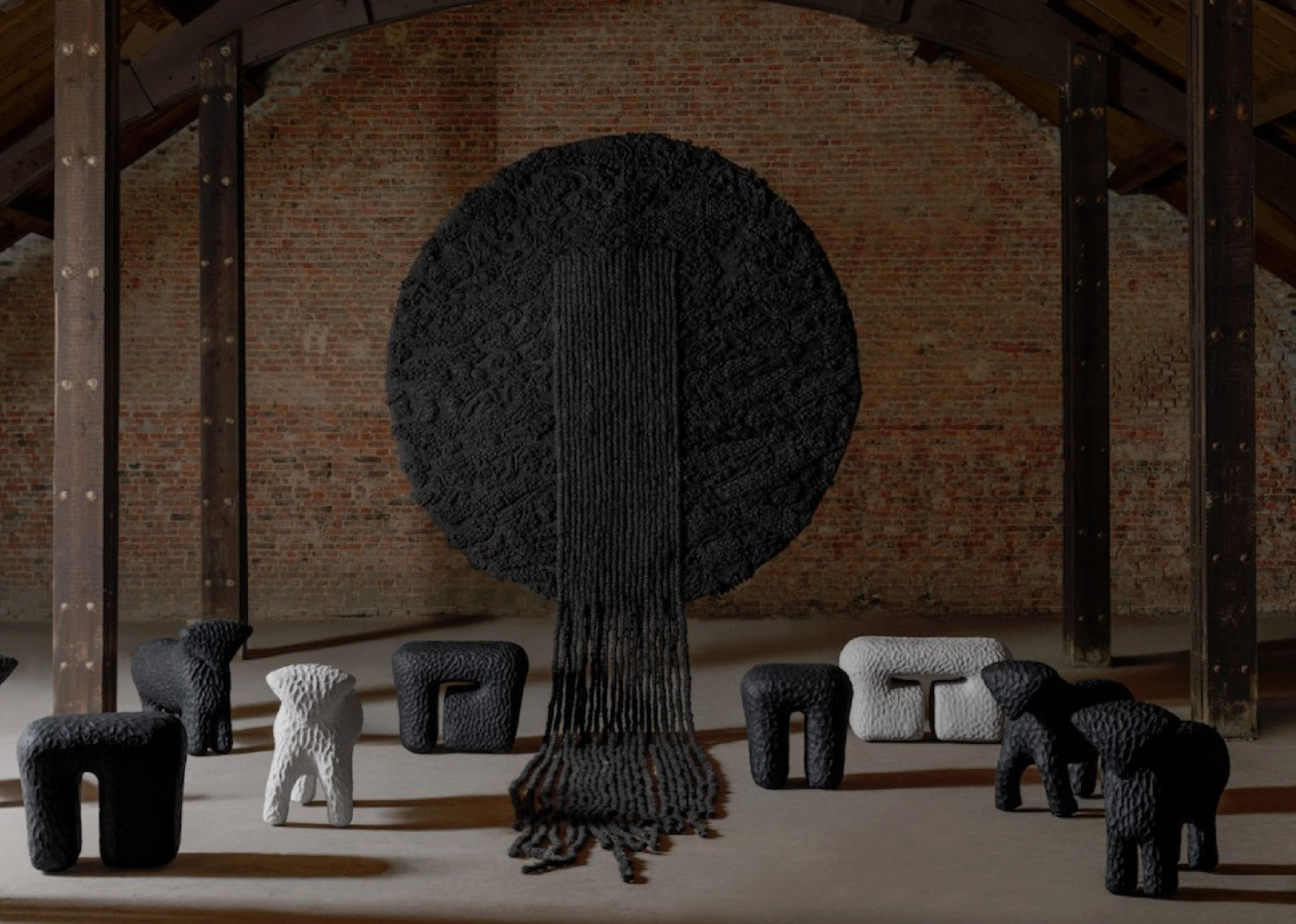
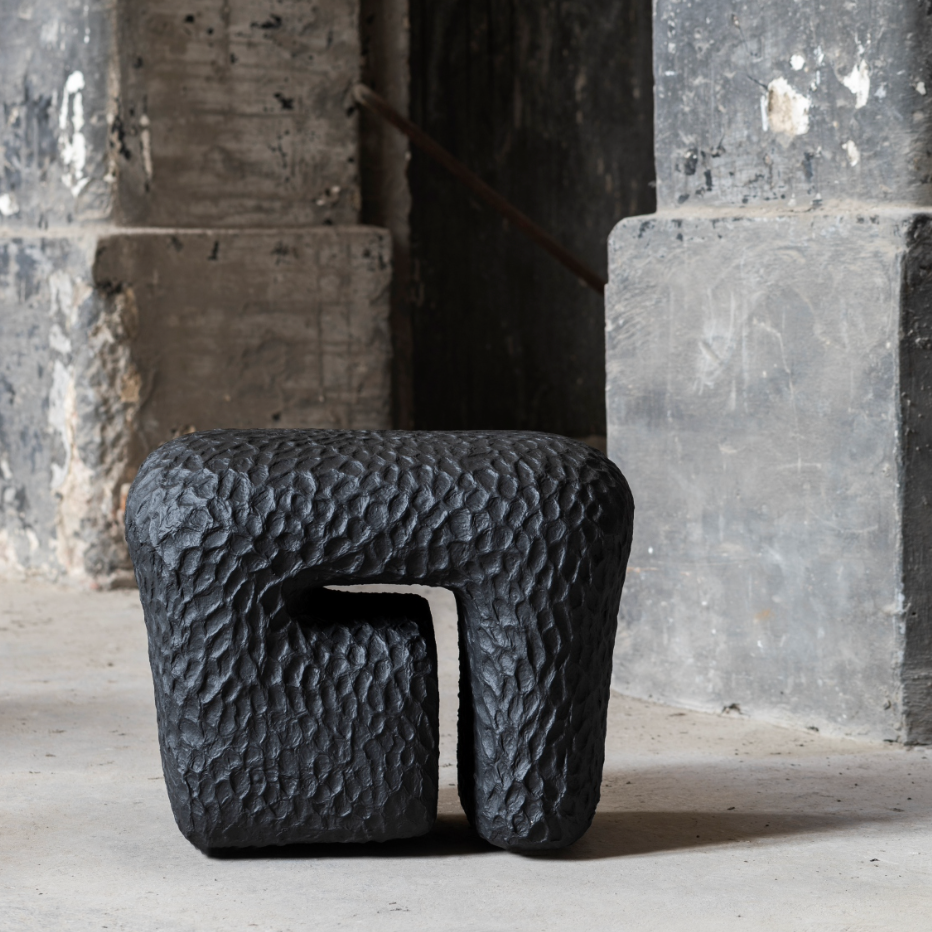
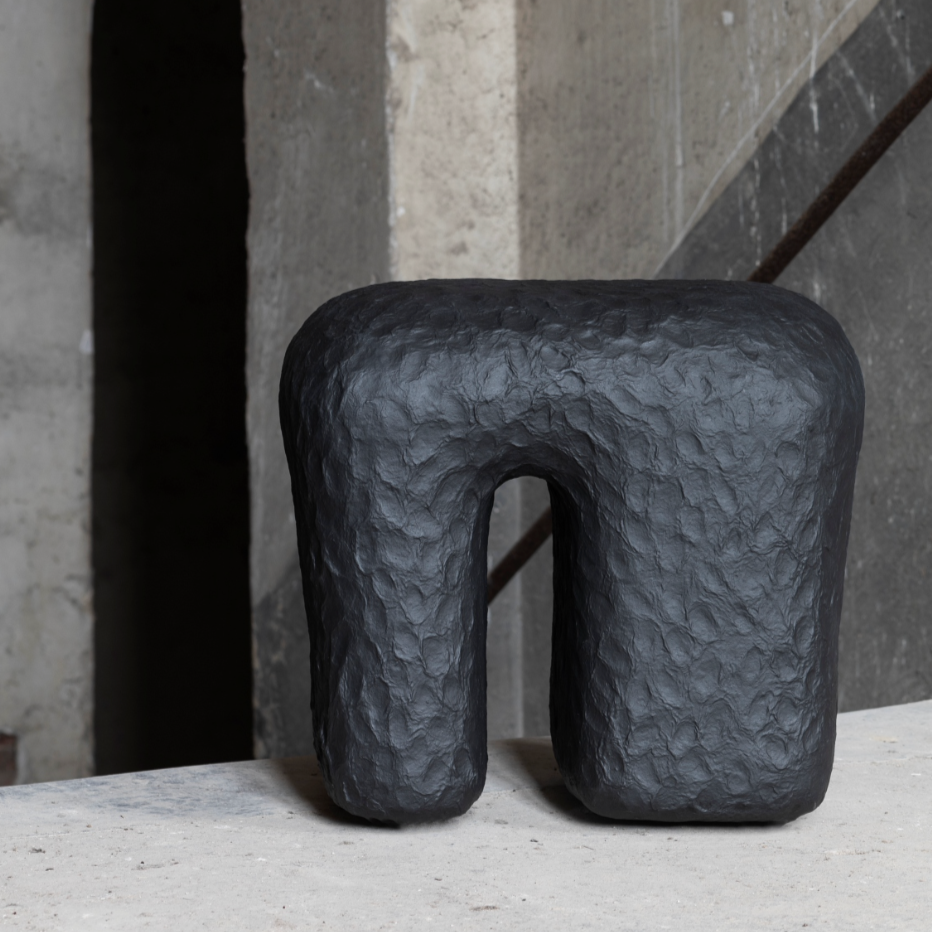
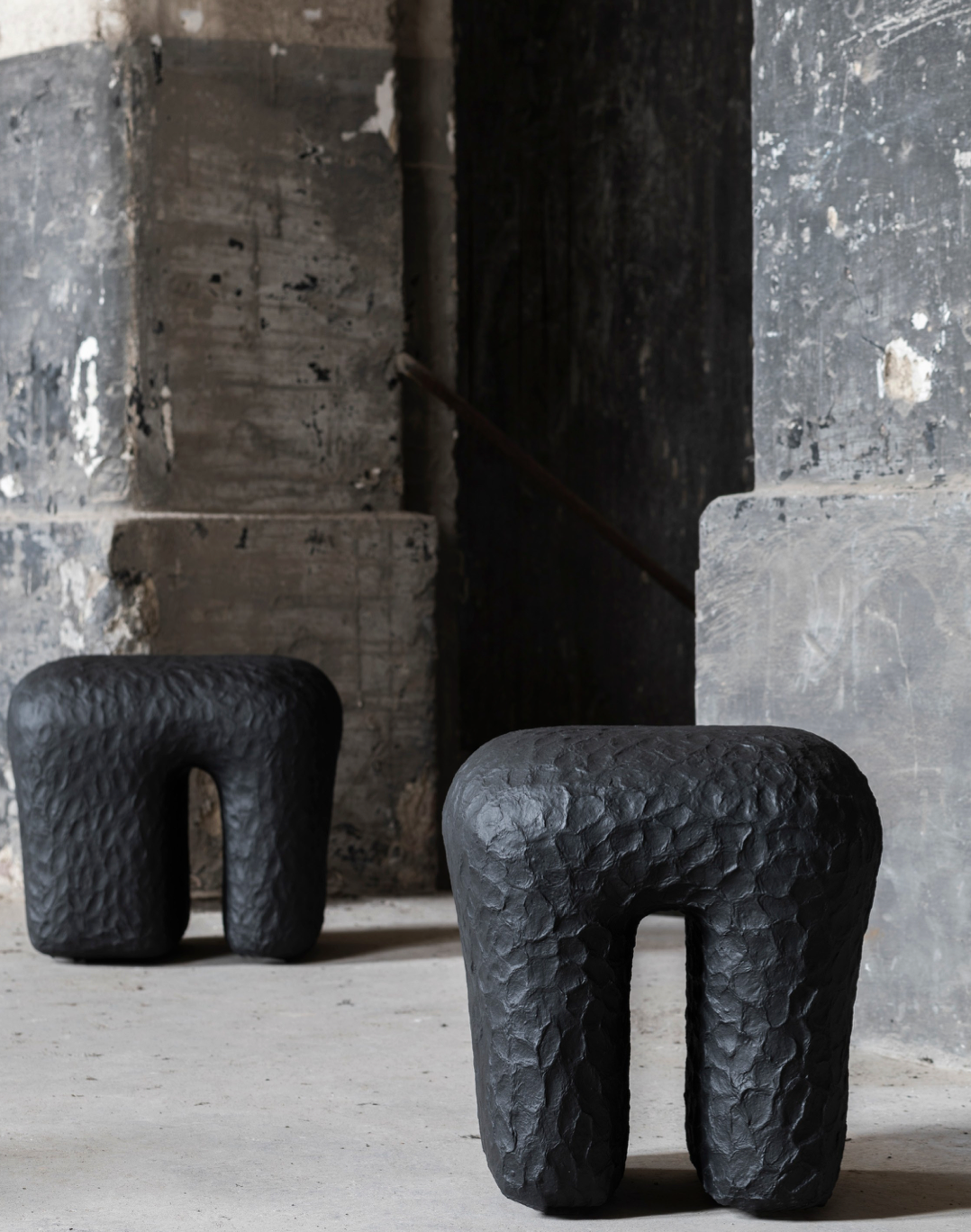
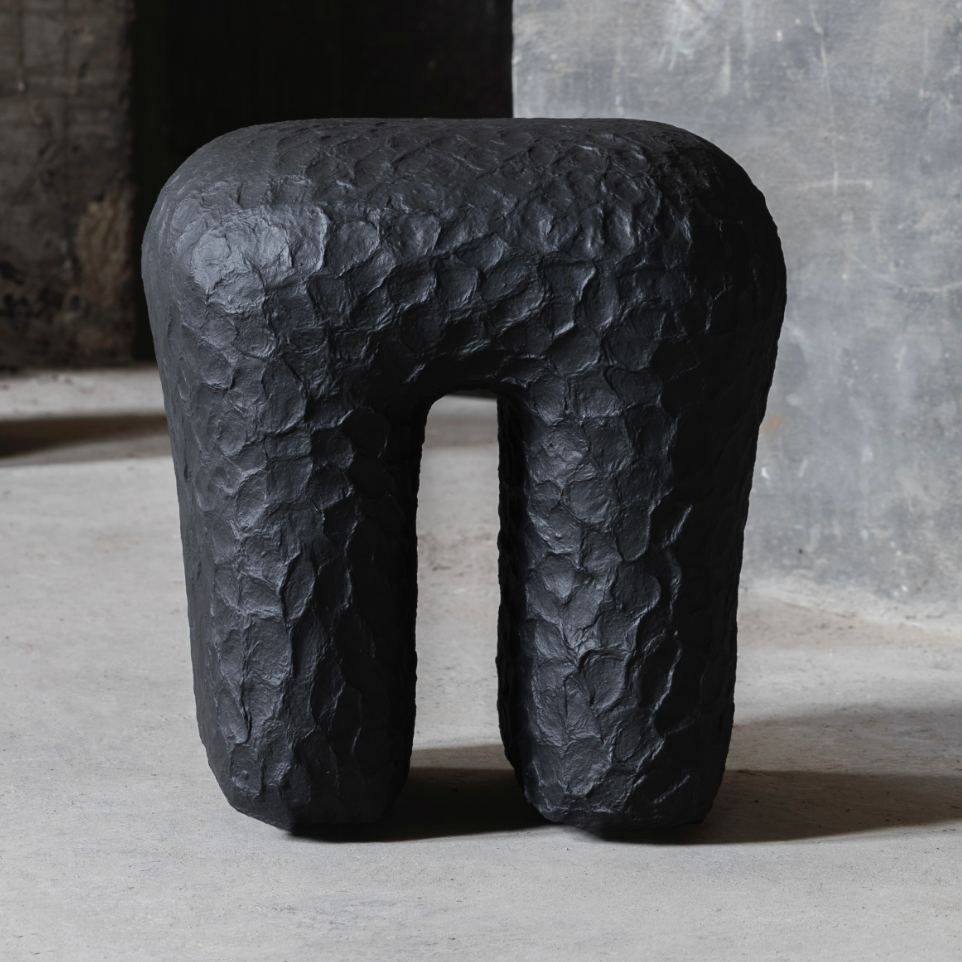
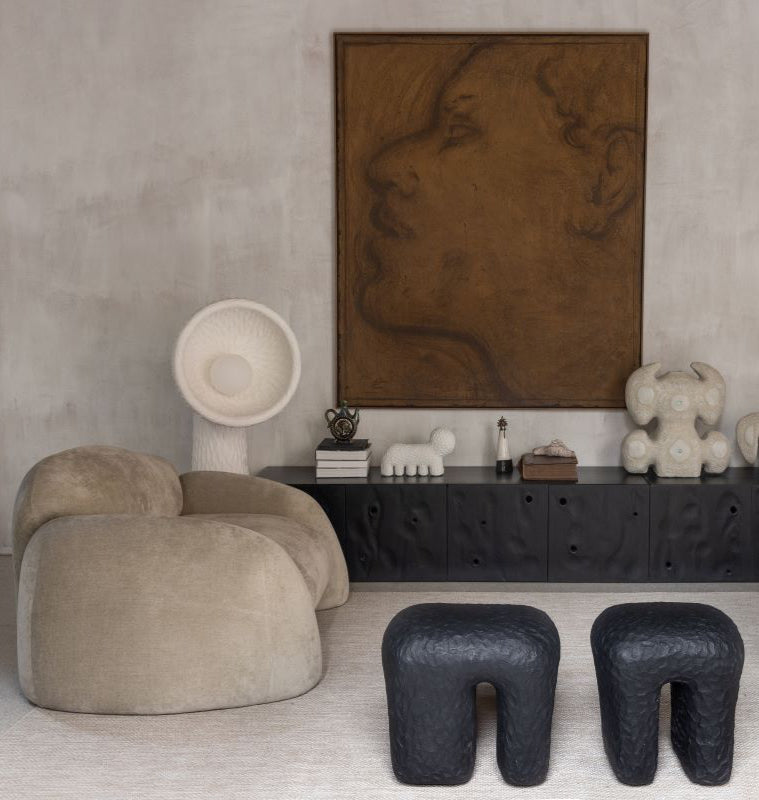
The living room is the center of the home — a space formed by gathering, resting, and daily rituals, and the furniture in a living room describes how the room behaves: how people move, sit, decompress, and connect. Living room furniture is not simply for functions of utility. Each piece acts as a sculptural presence that serves to ground the space through form and materials.
Types of Living Room Furniture
Living room furniture is about composition — the interplay of height, mass, tactility, and circulation. Each category plays a distinct architectural role within the space.
Sofas
Our sofas act as low, architectural anchors. Grounded silhouettes, concealed plinths, and generous proportions create quiet volume without overwhelming the room. Upholstery options include linen, wool, hemp-linen canvas, and COM for bespoke projects. The intention is comfort with presence: sculptural forms that support long conversations, reading, or slow evenings.
Armchairs & Accent Chairs
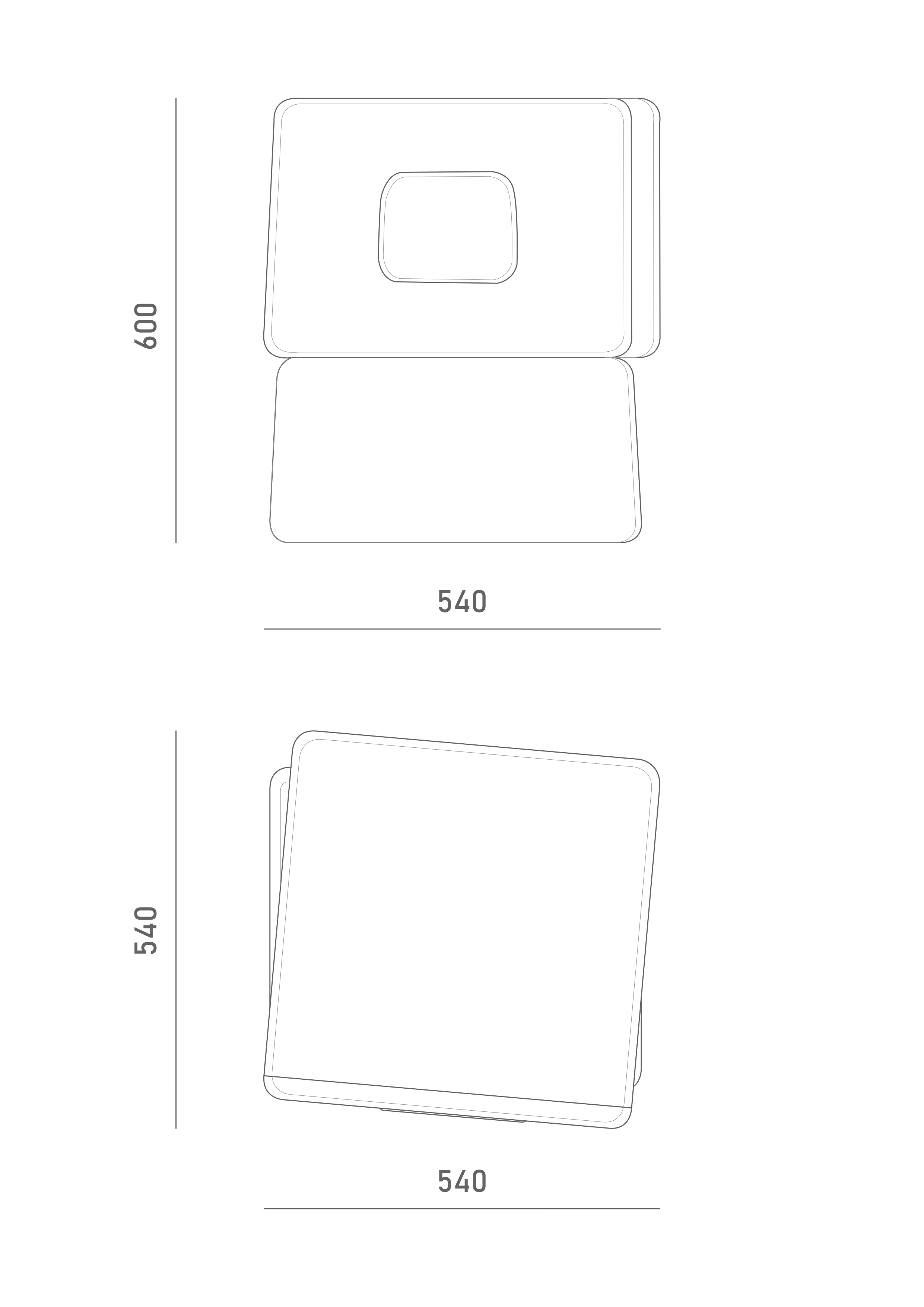
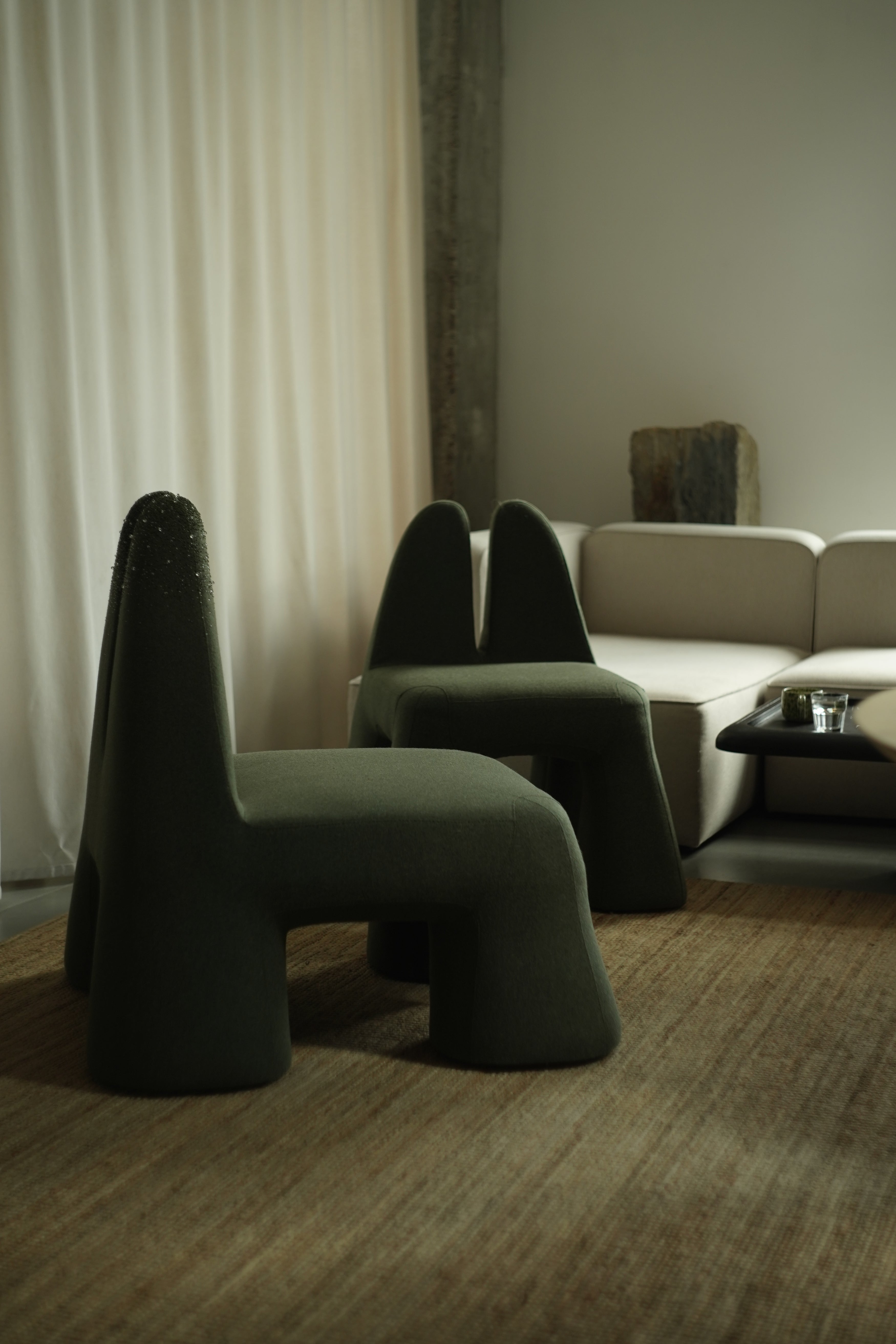
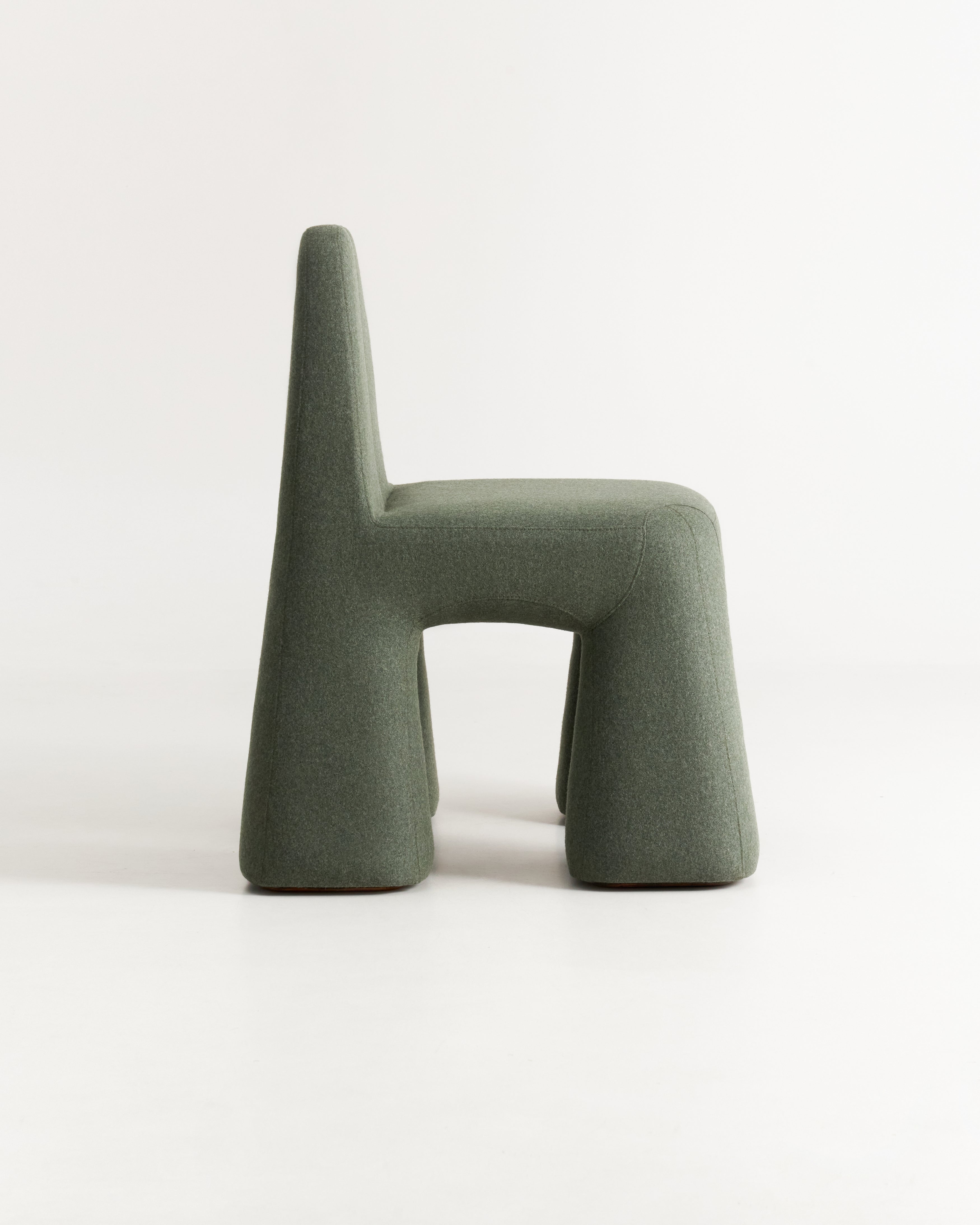
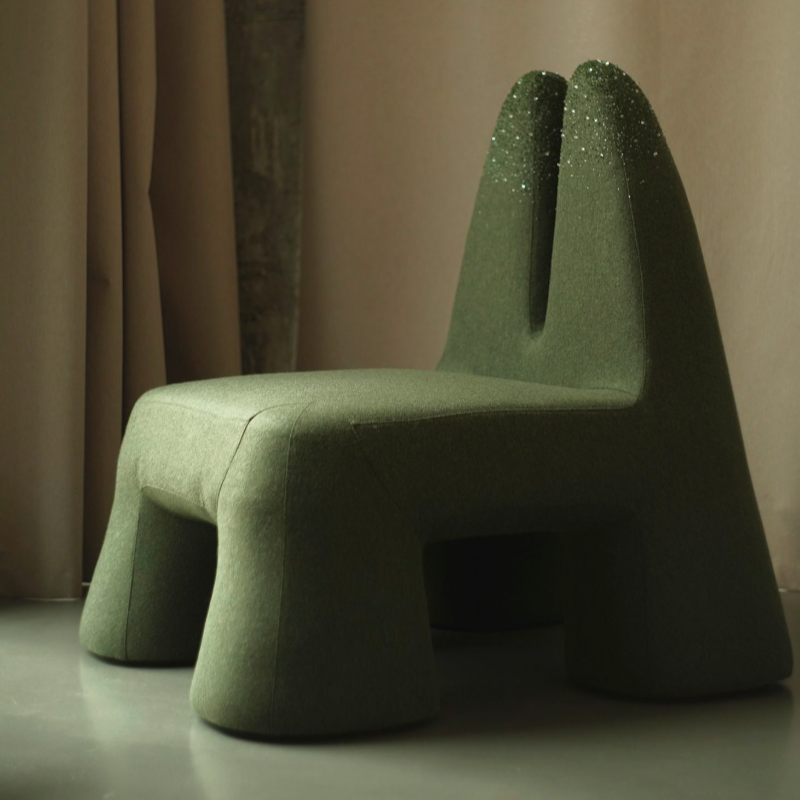
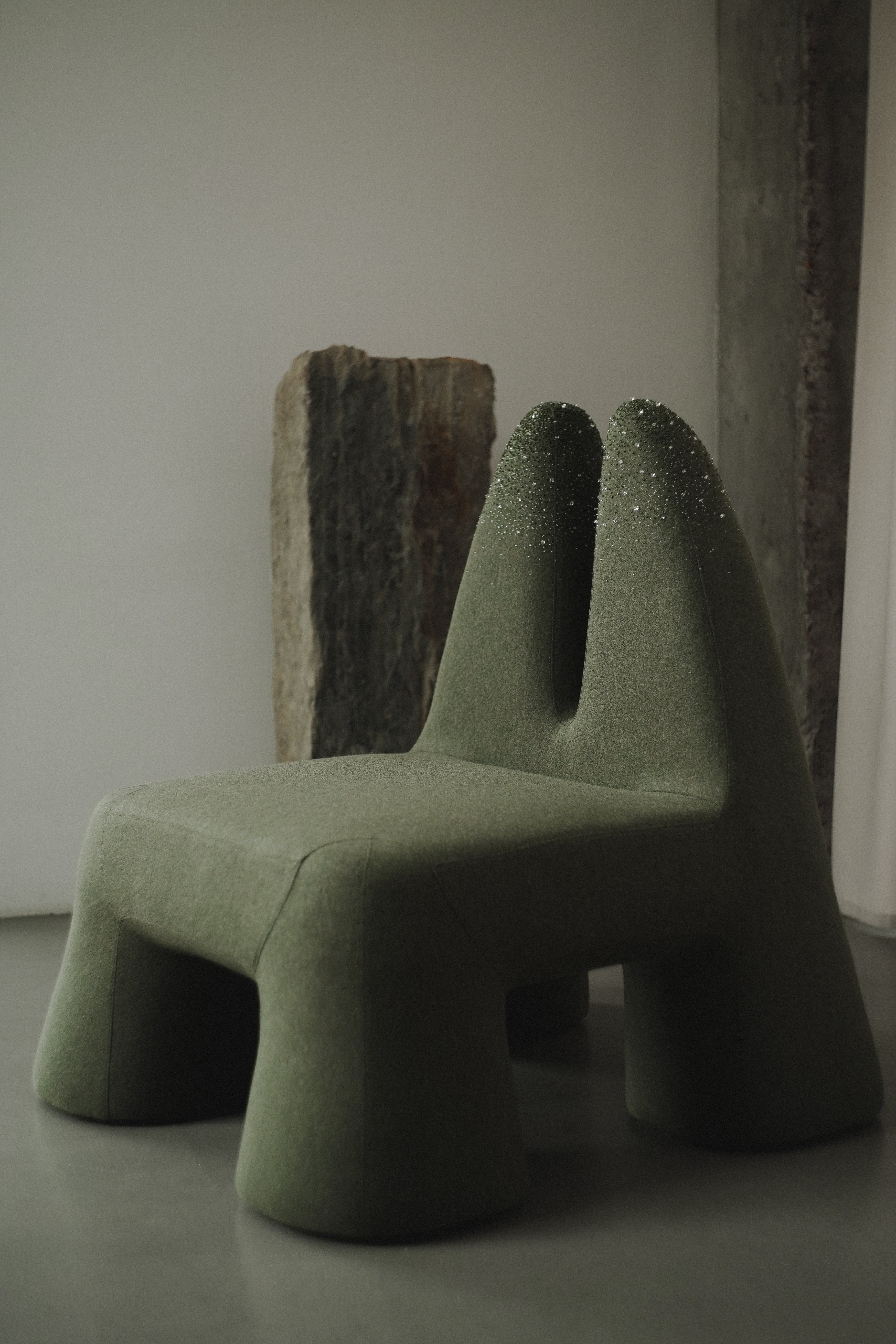
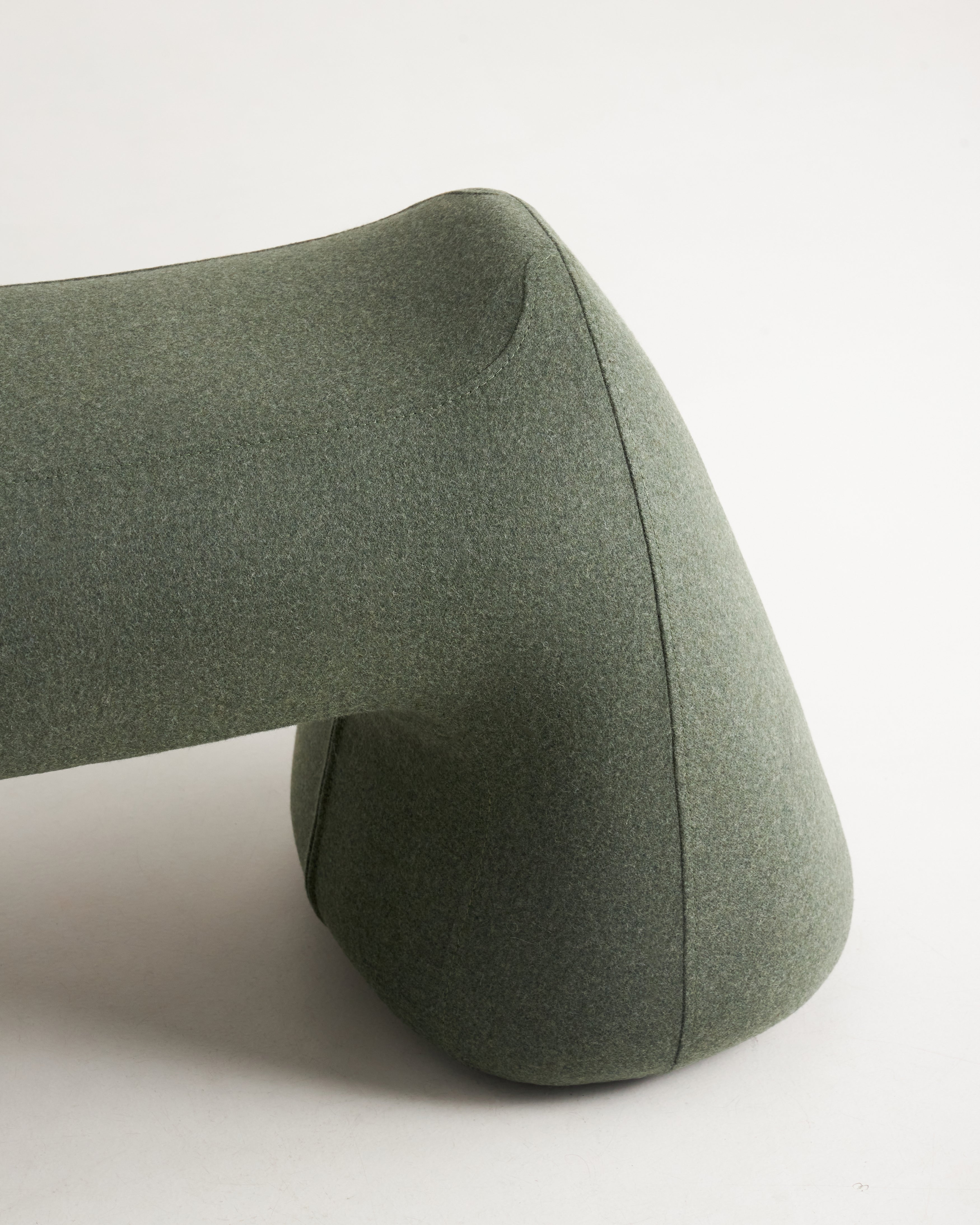
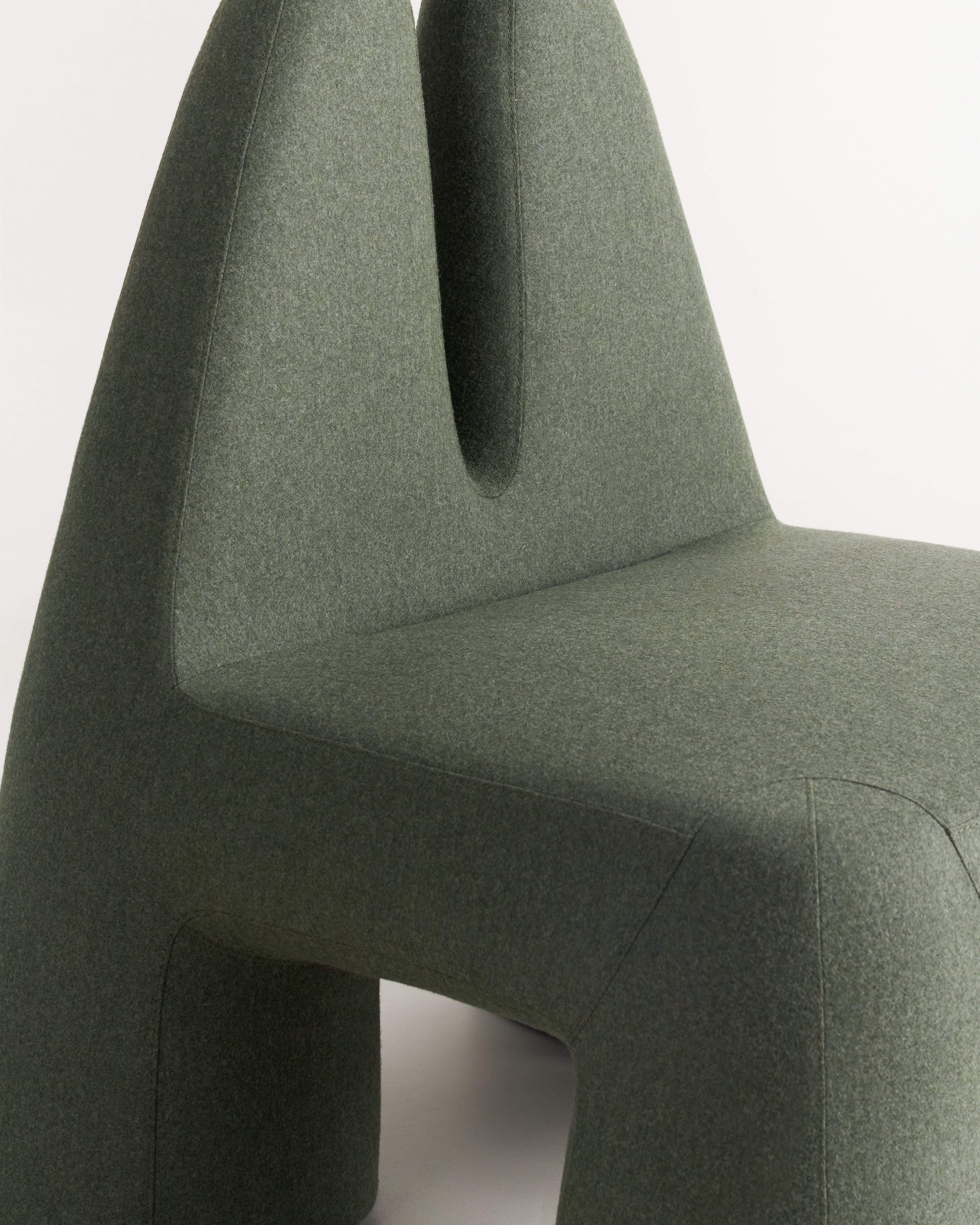
An armchair introduces character. Sculpted or shaped in soft textiles, our armchairs bring tactile warmth and emotional resonance — a grounding object for a reading corner or a sculptural counterpoint to a sofa. Pieces like the GRUN’ armchair or PLYN armchair carry animistic forms referencing nature, and organic movement.
Coffee Tables
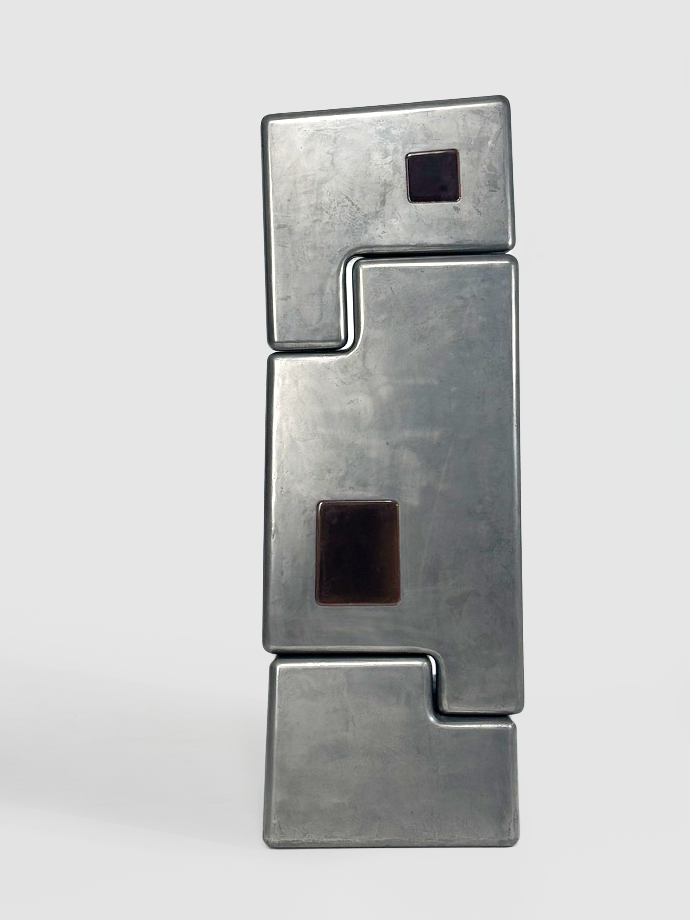
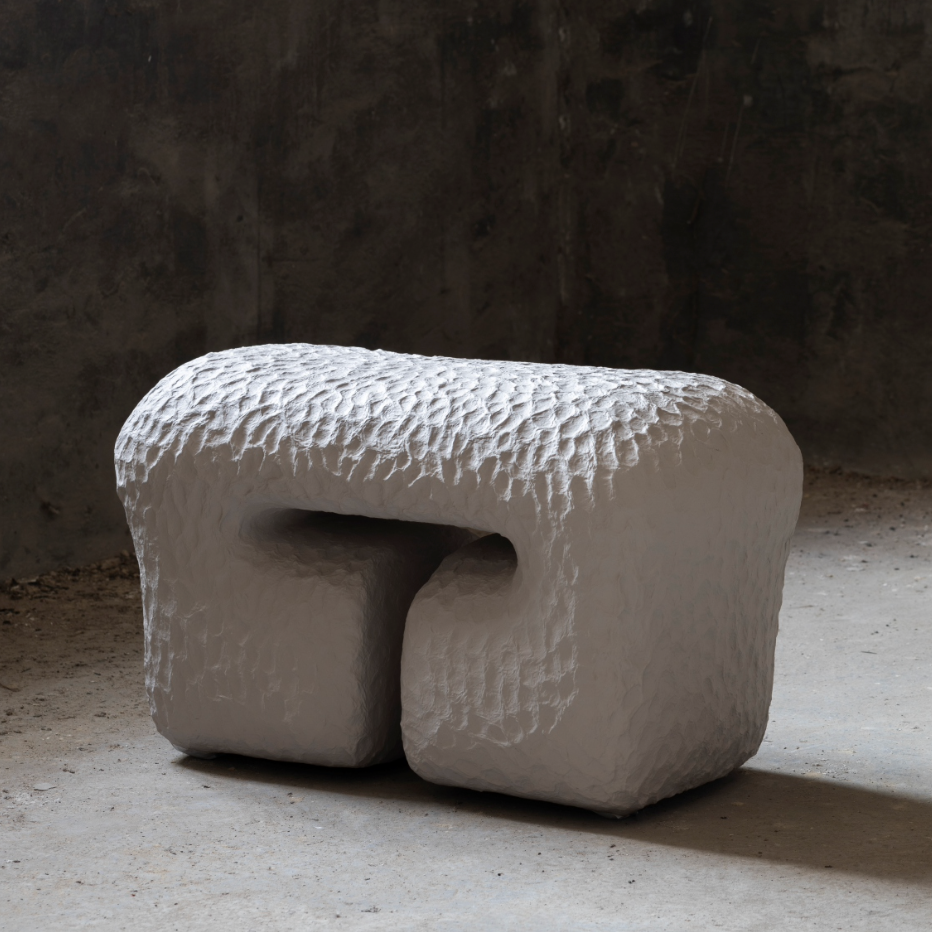
Coffee tables are low monuments. They gather people and objects at the center of the room and define circulation. Whether expressed through solid ash (like SONIAH) or hand-sculpted ZTISTA (KOROTUN), these tables introduce mass and texture, enriching the room’s composition.
Benches
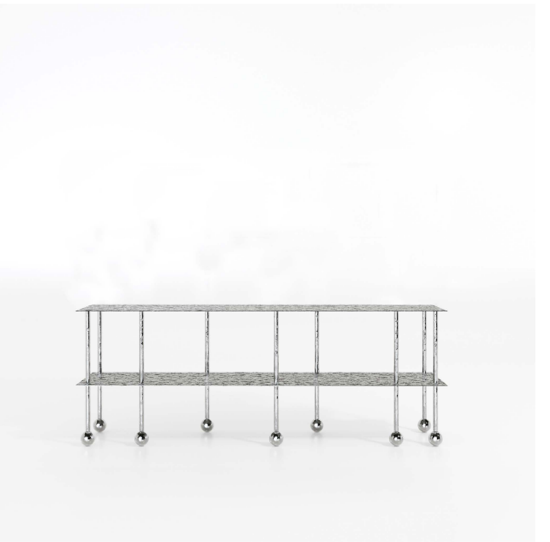
Benches bring horizontal calm and can be used along a window, under artwork, or adjacent to main seating. They are the quietest contributors: long, linear elements that introduce order and softness without pulling focus.
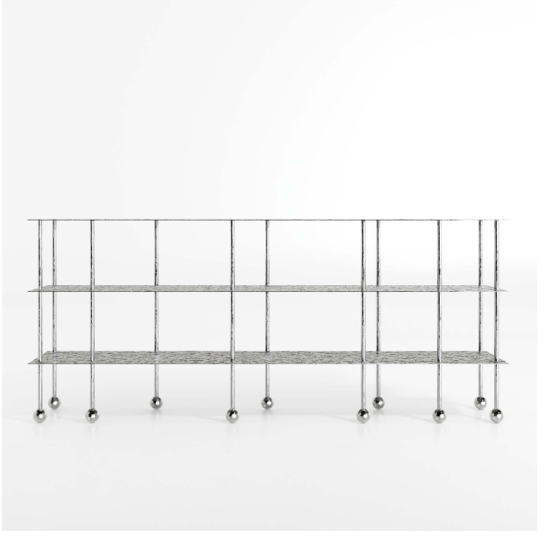
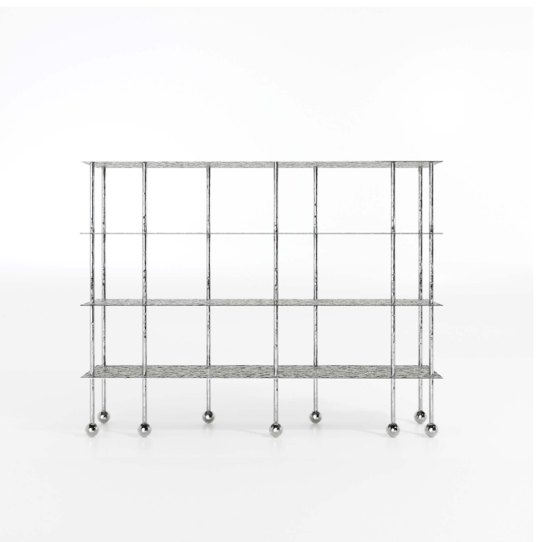
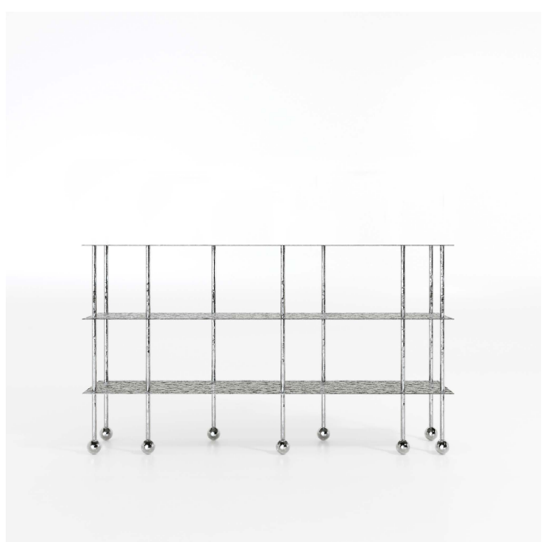
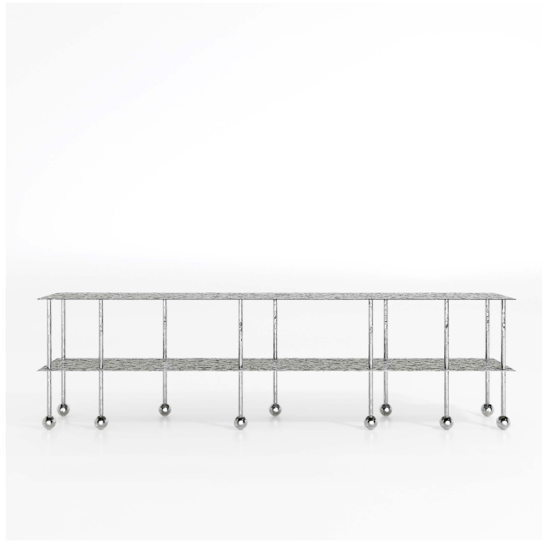
Shelves & Bookcases
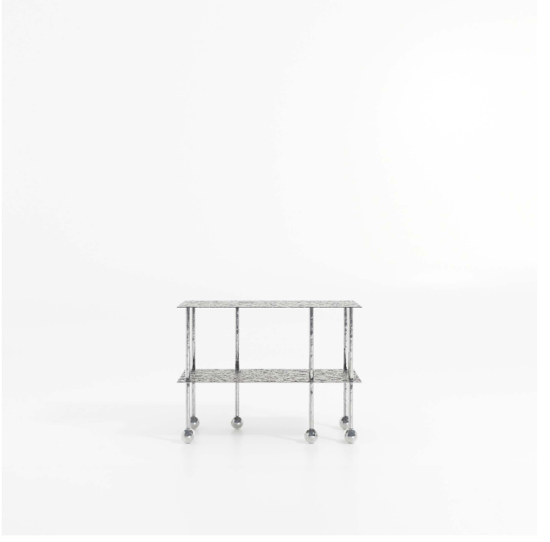
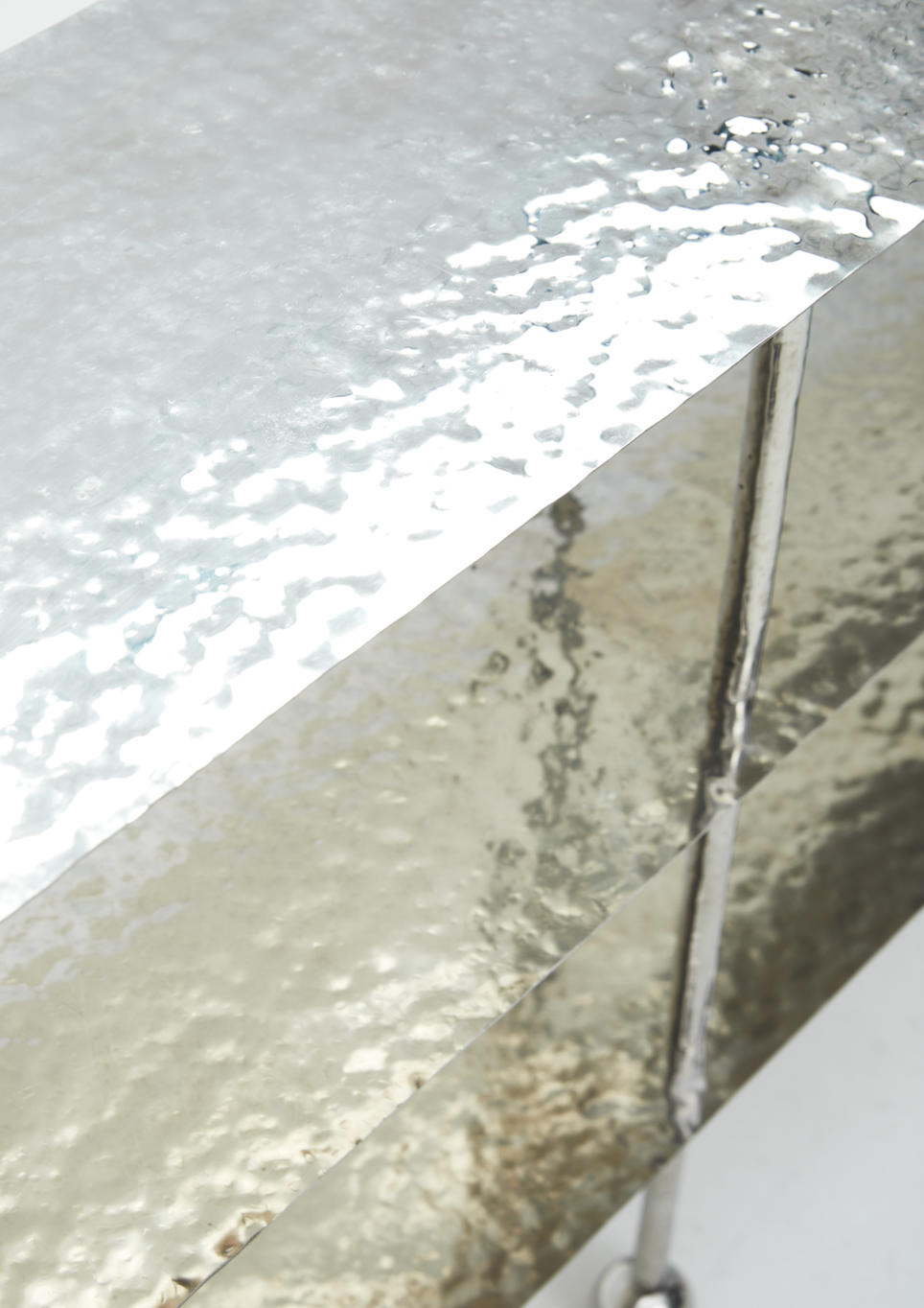
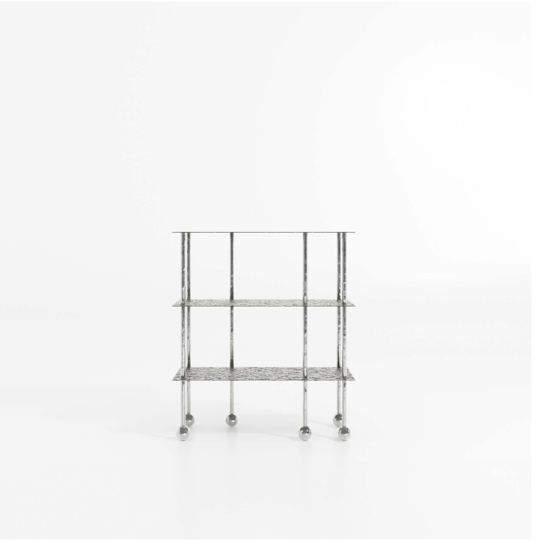
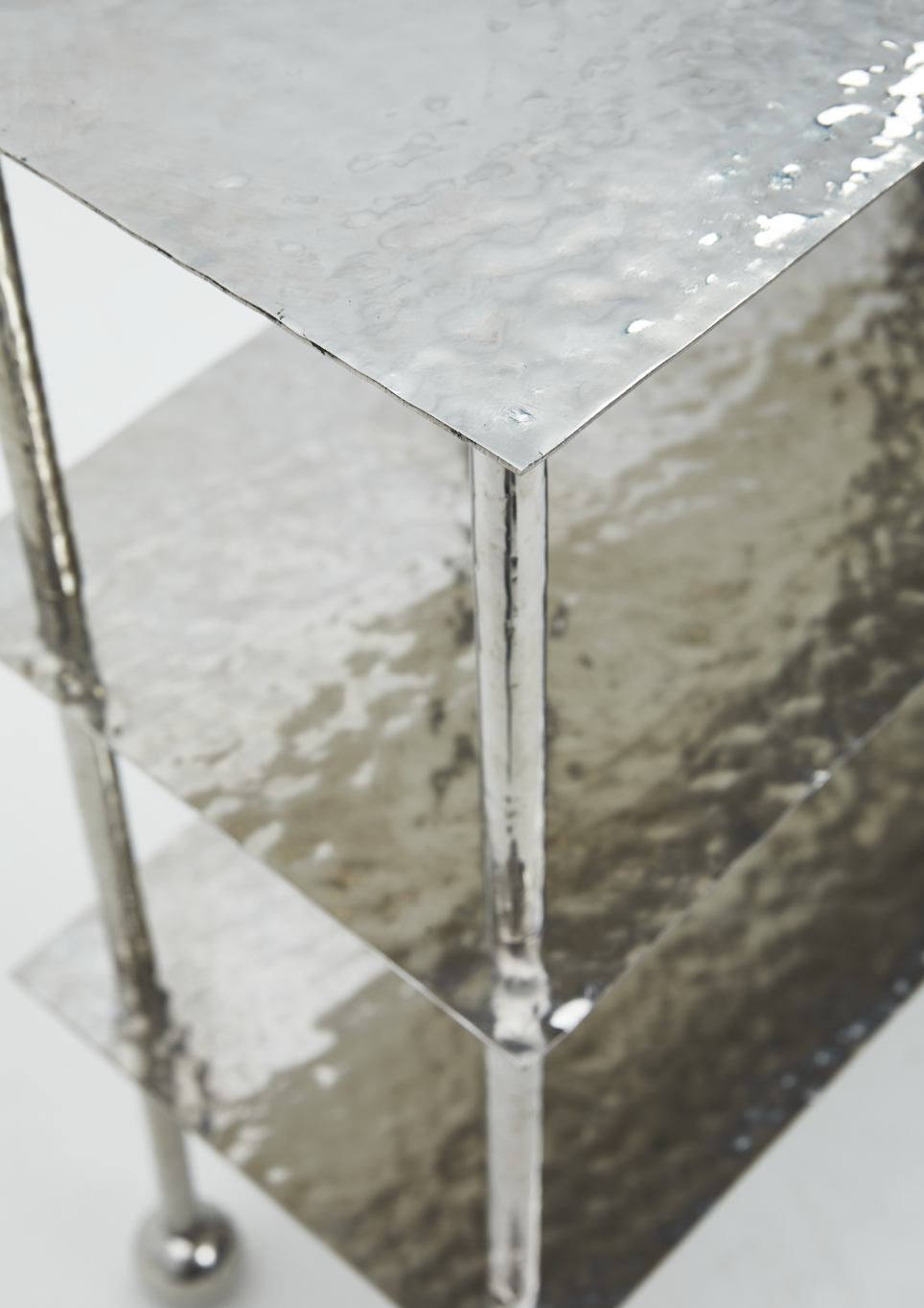
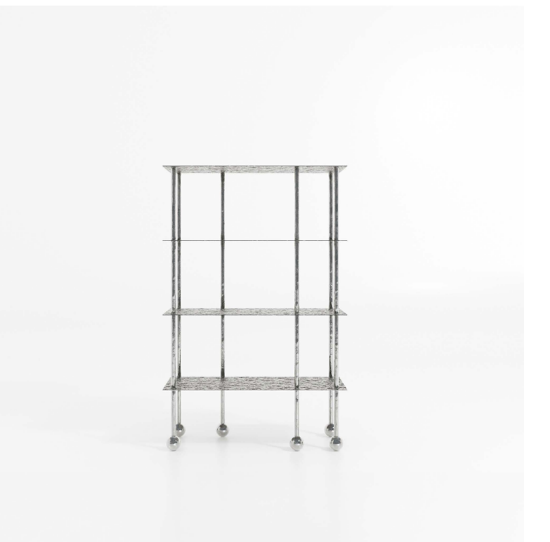
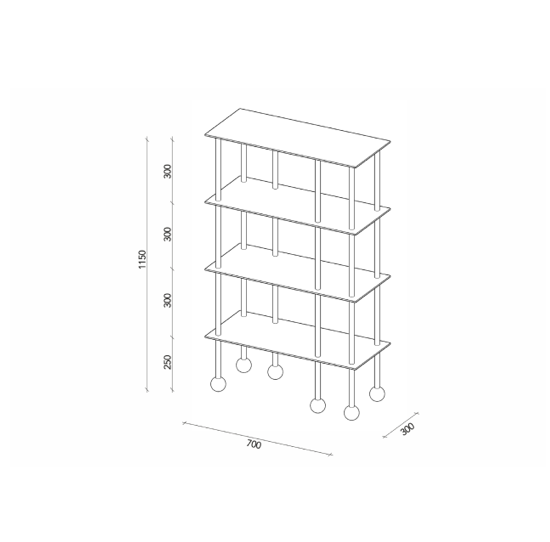
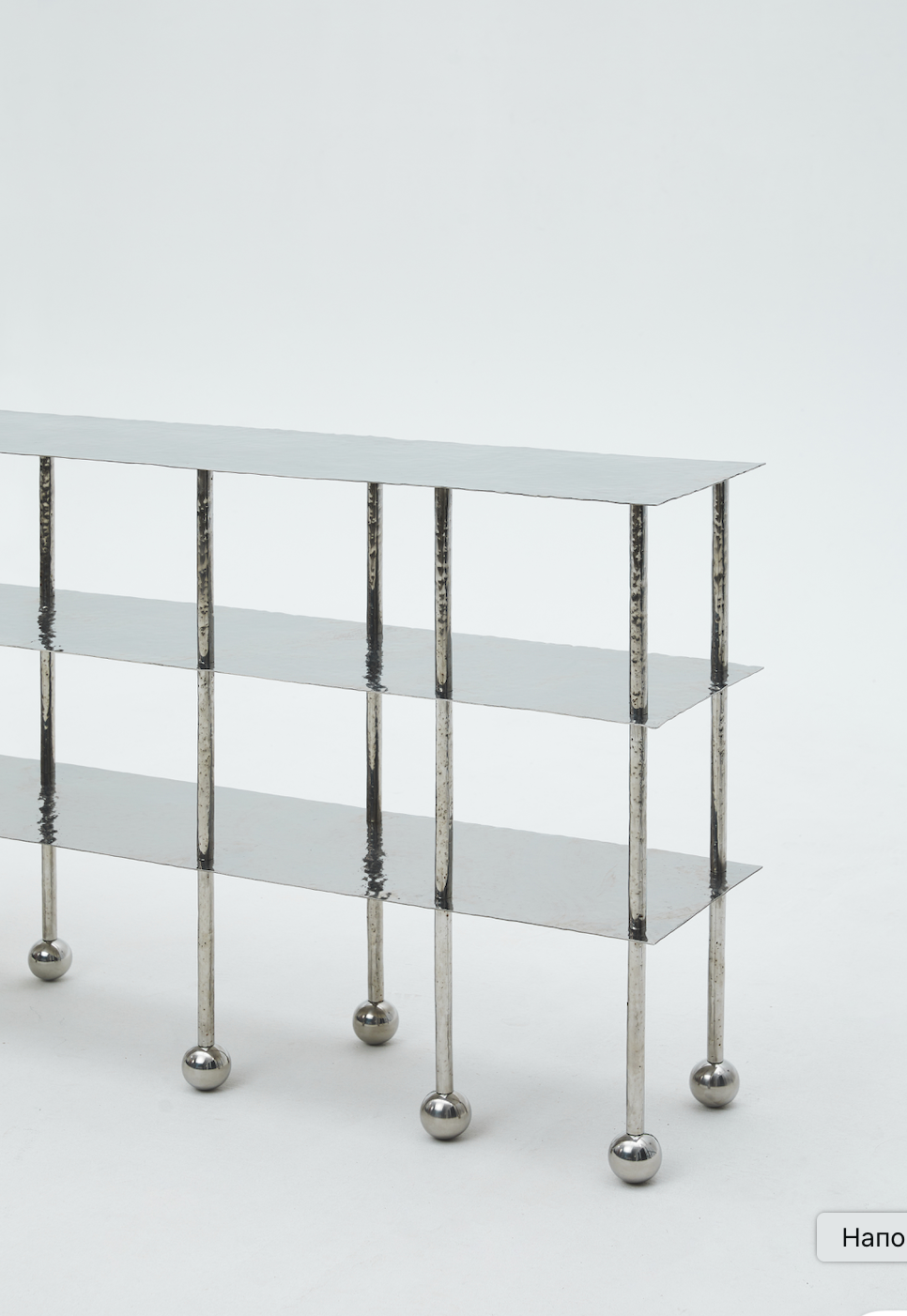
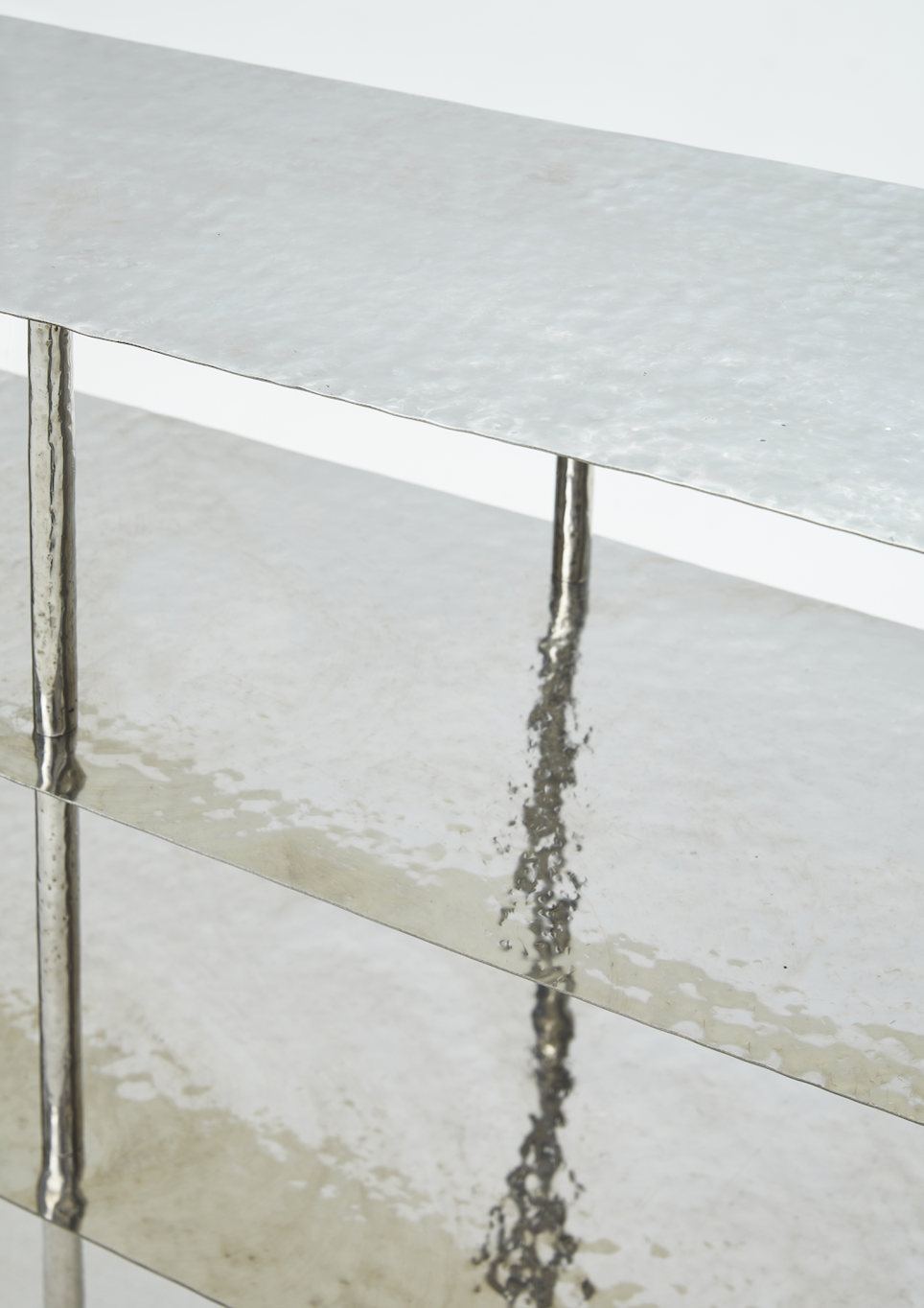
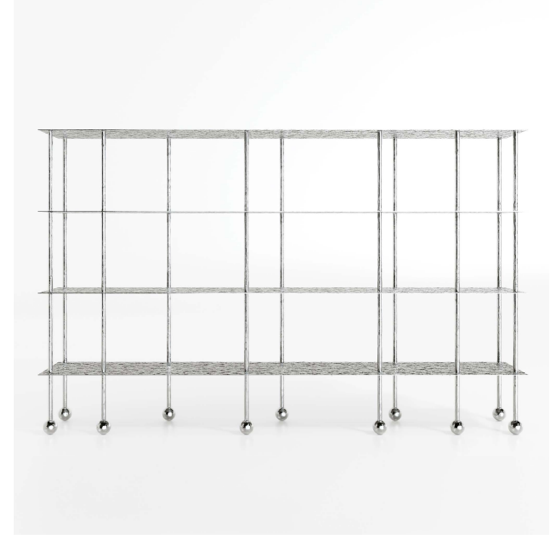
Open storage shapes the personality of a living room. Books, ceramics, and collected objects gain importance when framed by sculptural shelving.
FAQs
How do I choose the right sofa size for my living room?
Start with proportions: the sofa should not exceed two-thirds of the available wall or seating area. Allow generous circulation space around it and pair with a coffee table at a height just below the seat level.
How can I make a small living room feel more spacious?
Choose sculptural pieces with softened edges, integrate open shelving, and use low-profile sofas. Prioritize fewer, calmer forms that visually “breathe.”
Can I customize pieces for my living room?
Yes. Most of our pieces are made to order and can be customized in dimensions, finish, upholstery, or material. COM is reviewed for special projects.
How do I create a cohesive living room design?
Choose a central material or shape language — for example, rounded forms or a natural wood palette — and repeat it across key pieces like the coffee table, side tables, and seating.
Do you offer durable options for high-traffic spaces?
Yes. Our materials are selected for longevity, and finishes can be adapted for public or hospitality interiors. ZTISTA, woods, and high-performance textiles all age with integrity.