Minimalist furniture defines a home through clarity, balance, and a deep appreciation for essential form. Rooted in simplicity and refined craftsmanship, this design approach favors clean lines, intentional proportions, and a calm visual rhythm. By focusing on function and atmosphere, minimalist furniture shapes interiors that feel open, grounded, and thoughtfully curated — whether in the living room, dining room, bedroom, or office. It is a style that celebrates quiet sophistication and the luxury of space.
What Is Minimalist Furniture?
Minimalist furniture is a design philosophy centered on restraint and purposeful creation. Instead of relying on ornamentation or complex detailing, it emphasizes straightforward silhouettes and high-quality materials. Natural finishes, sculptural contours, and neutral palettes define the character of the pieces, allowing them to integrate seamlessly into the interior. This style embraces the idea that beauty emerges from simplicity, clarity, and the relationship between objects within a room.
Streamlined shapes, functional structure, and a focus on materials such as wood, metal, stone, or soft textiles. Minimalist furniture maintains visual openness by avoiding clutter and unnecessary elements. Each piece serves a purpose, contributing to an interior that supports slow living, intentional design, and a sense of connection with the environment.
Room-by-Room Ideas, Tips, and Inspiration
Living Room
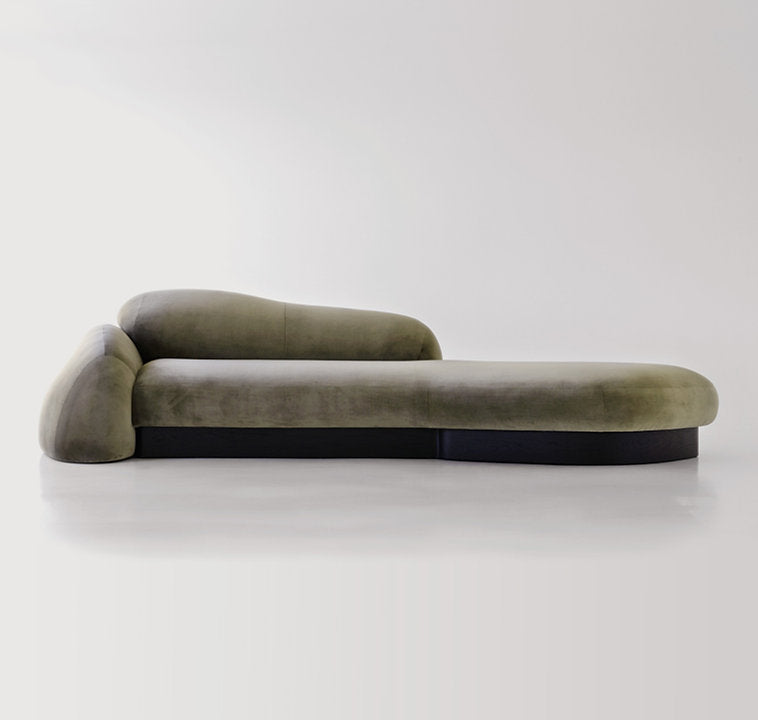
In the living room, minimalist furniture creates a calm focal point that encourages ease and relaxation. A low-profile sofa with clean lines sets the foundation, while a simple coffee table or sculptural accent chair adds depth without overwhelming the space. Opt for neutral tones and subtle textures to support visual harmony. The goal is a living room that feels airy, balanced, and welcoming — a place where design and comfort meet effortlessly.
Dining Room
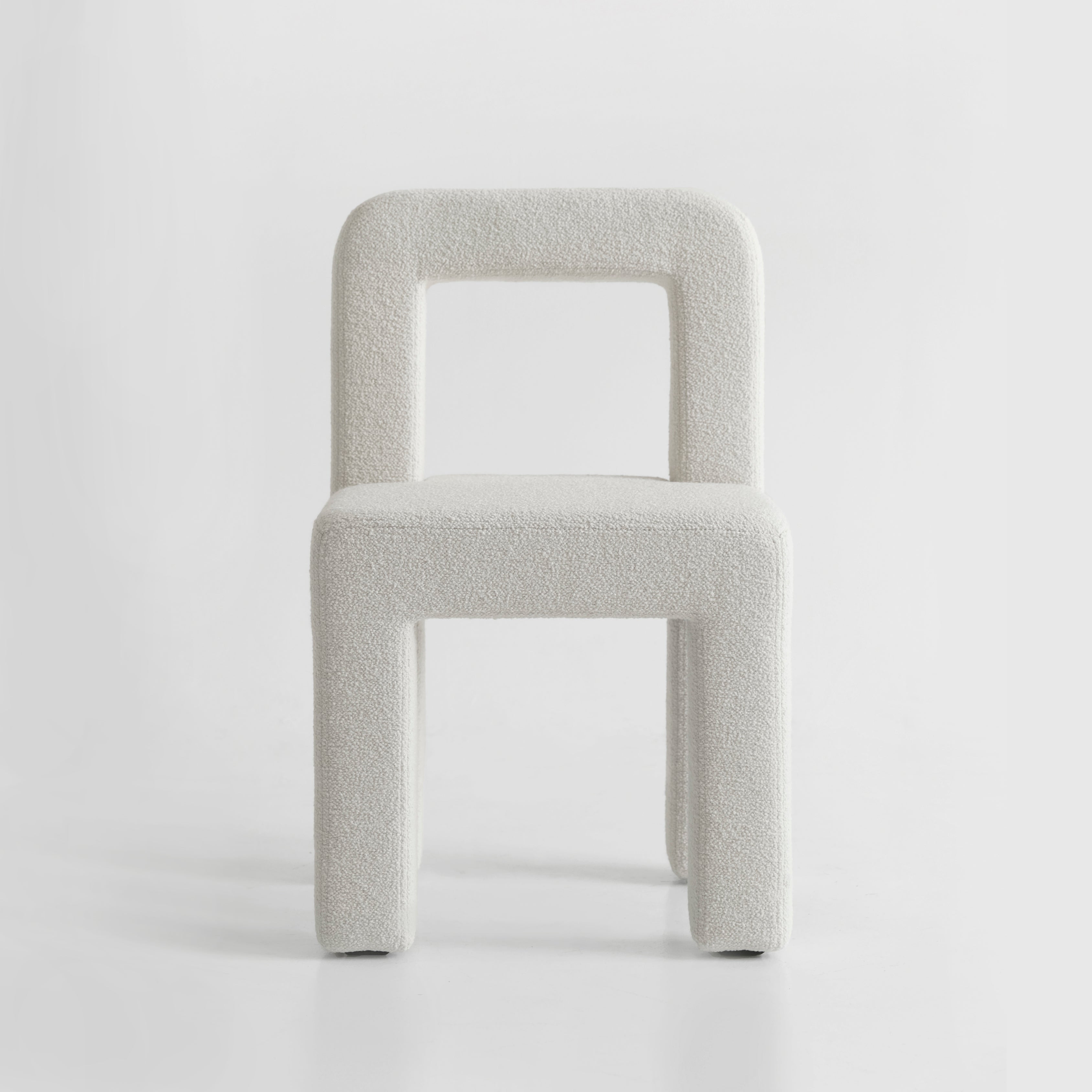
The dining room thrives on the clarity that minimalist furniture provides. A streamlined dining table acts as the anchor, supported by chairs with soft curves or linear silhouettes. Keep the palette soft and understated to maintain a cohesive design atmosphere. Avoid unnecessary accessories; instead, let the shape and craftsmanship of each piece stand out. This approach makes the dining room feel refined, intentional, and subtly elegant.
Bedroom
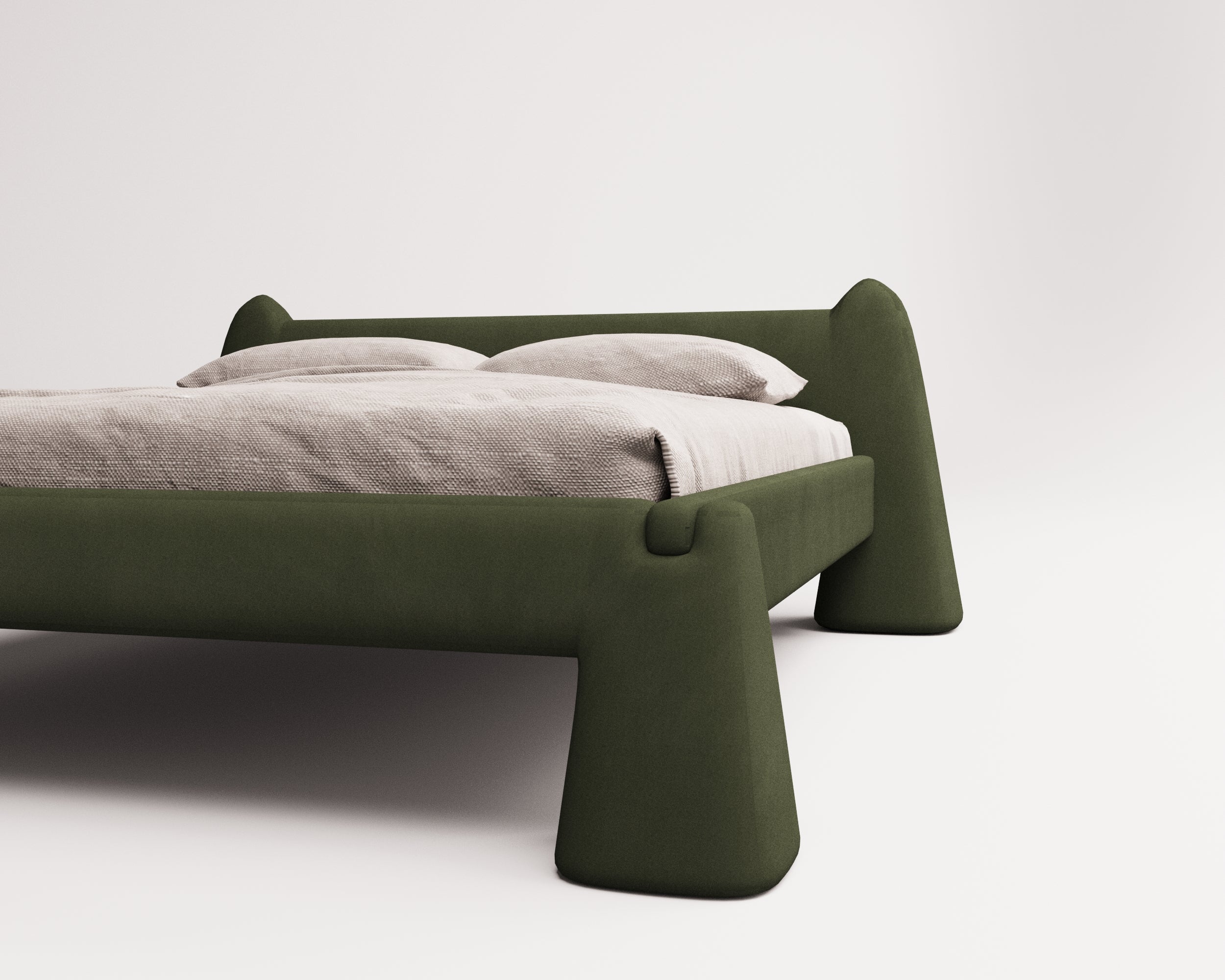
In the bedroom, minimalist furniture fosters tranquility and rest. A platform bed with restrained detailing and a smooth headboard helps anchor the room in calmness. Pair it with simple nightstands and minimal storage solutions to maintain a sense of order. Soft textiles, warm lighting, and a muted color palette enhance the peaceful interior. Here, minimalist design becomes a foundation for restoring energy and creating emotional stillness.
Office
A home office benefits from the discipline and clarity inspired by minimalist furniture. A clean-lined desk, ergonomic seating, and unobtrusive storage help maintain focus and reduce visual distractions. Keep the design uncomplicated, allowing the space to support creativity and productivity. Neutral colors and light materials add subtle warmth without interrupting the minimalist style.
FAQs
Is minimalist furniture comfortable for everyday living?
Yes. Its simple forms and quality materials make it both functional and comfortable.
Does minimalist furniture work in small interiors?
Absolutely. Clean silhouettes and uncluttered layouts help visually expand compact spaces.
Which colors suit minimalist furniture best?
Soft neutrals, whites, earthy tones, and muted greys complement the clarity of this style.
Can minimalist furniture blend with other interior styles?
Yes, it pairs beautifully with contemporary, Scandinavian, organic modern, and Japandi aesthetics.
Where can I find inspiration for minimalist furniture online?
You can explore curated design publications, architectural studios, and contemporary interior references that highlight refined simplicity and modern craftsmanship.