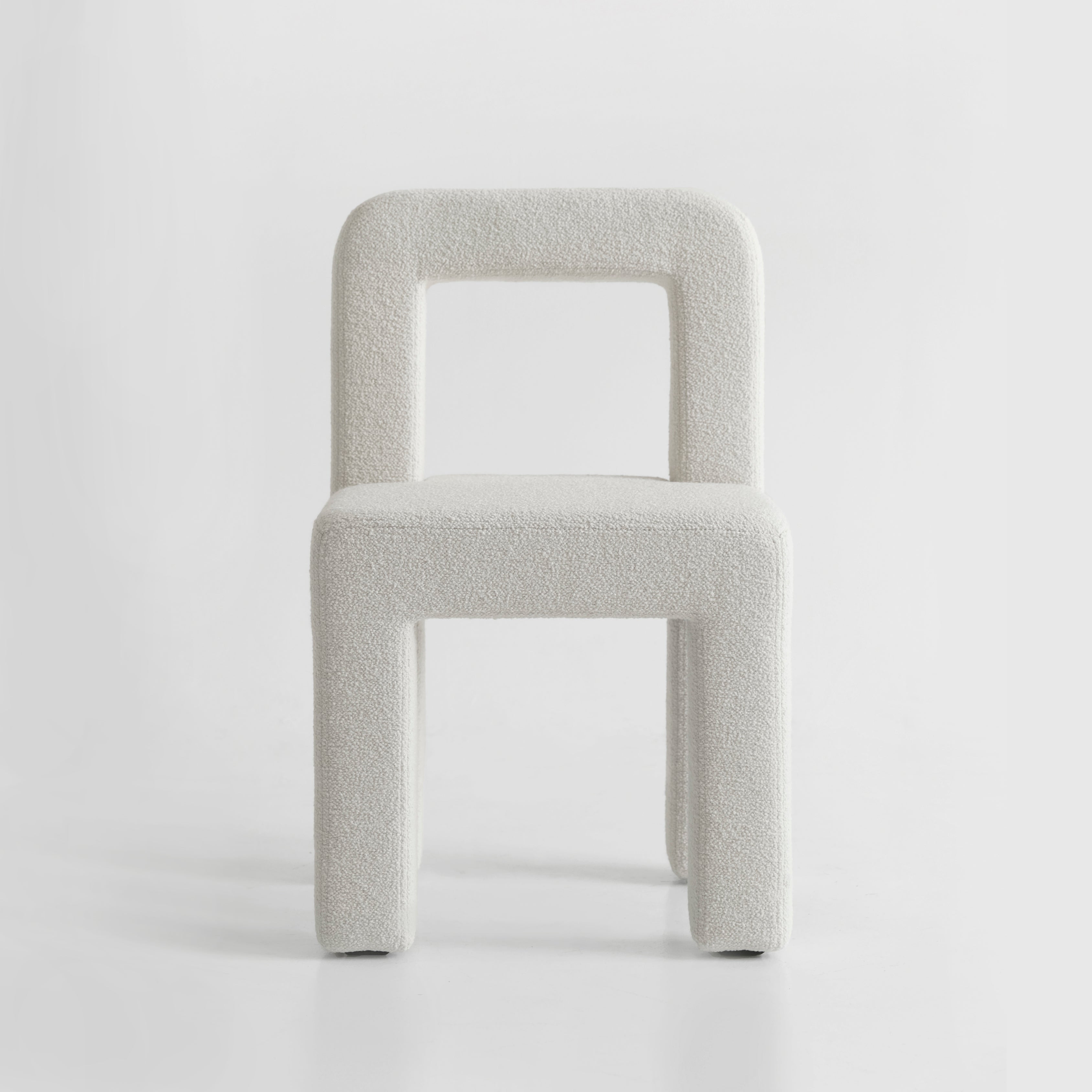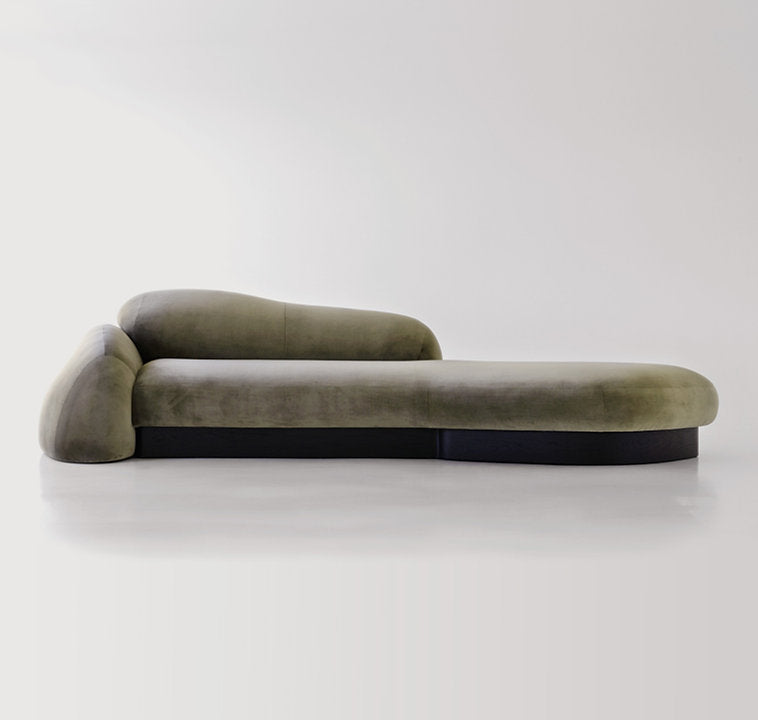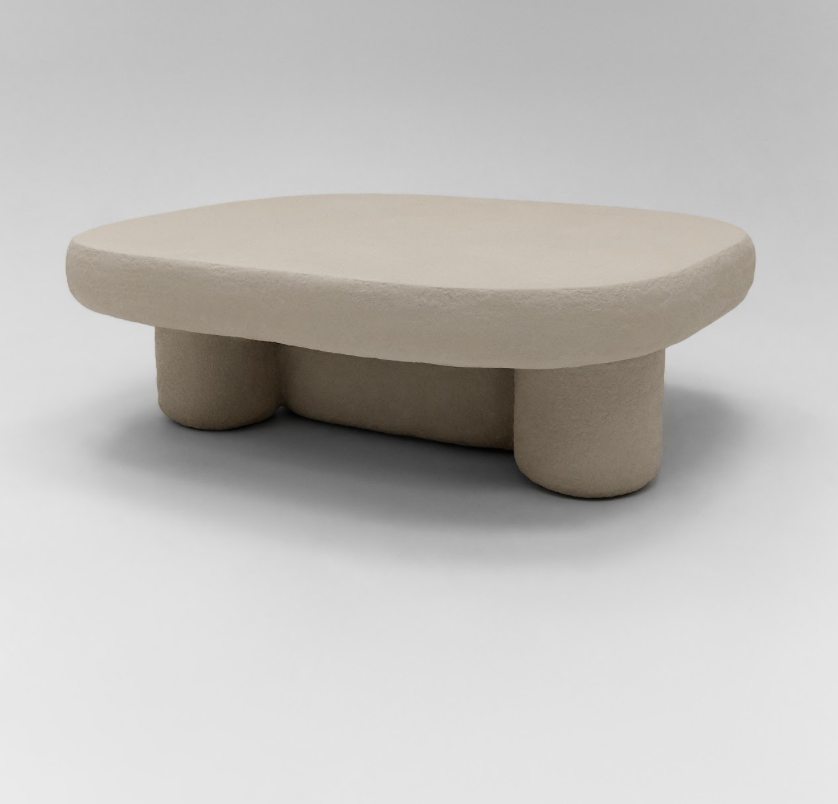
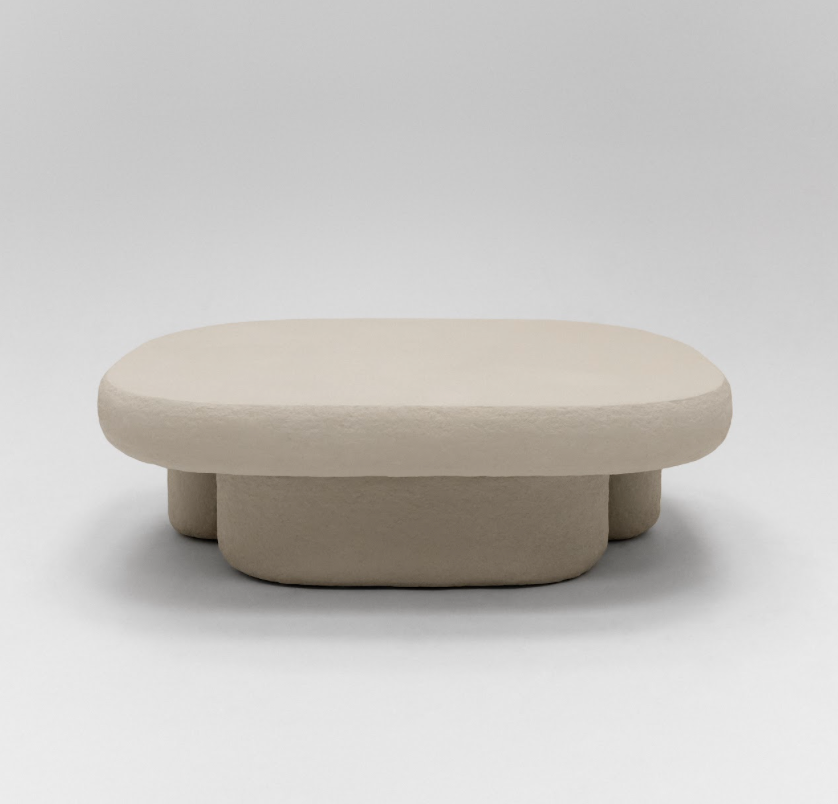
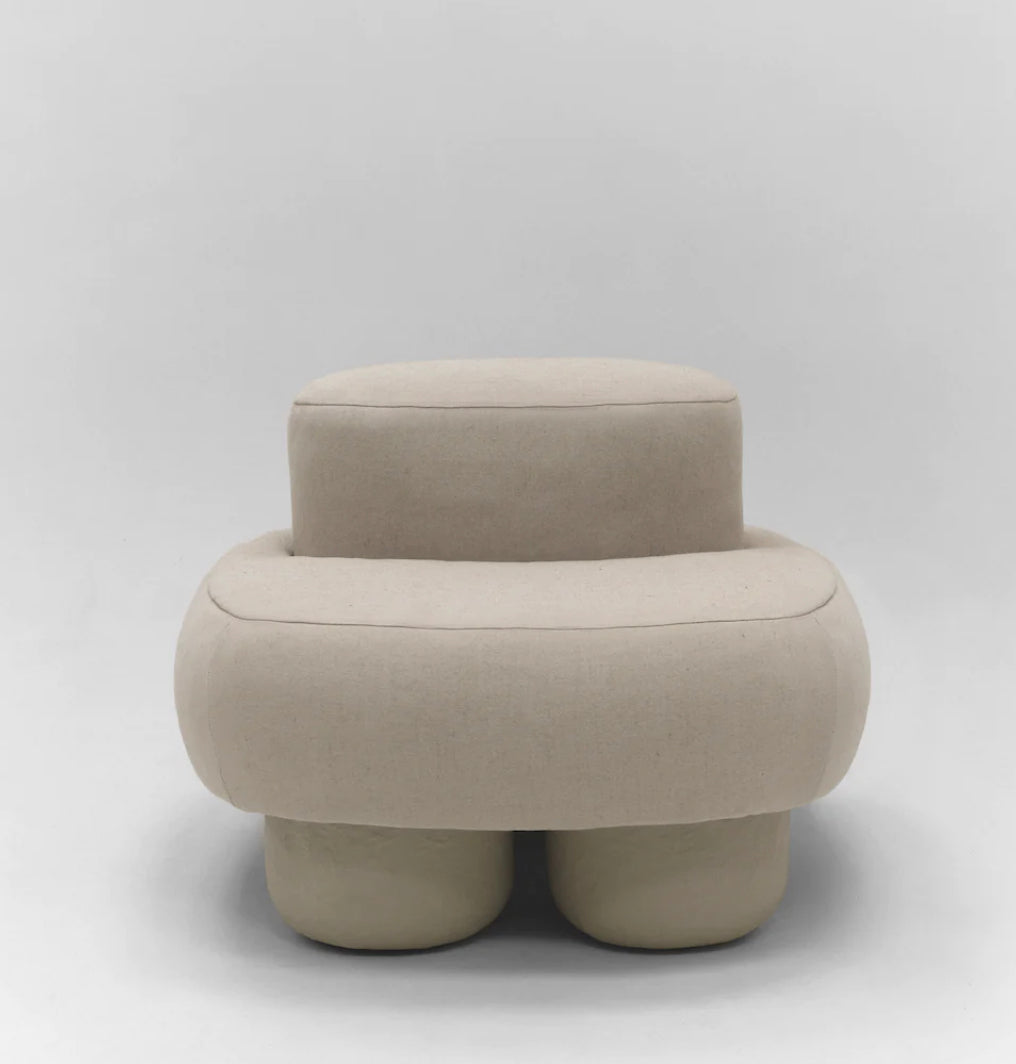
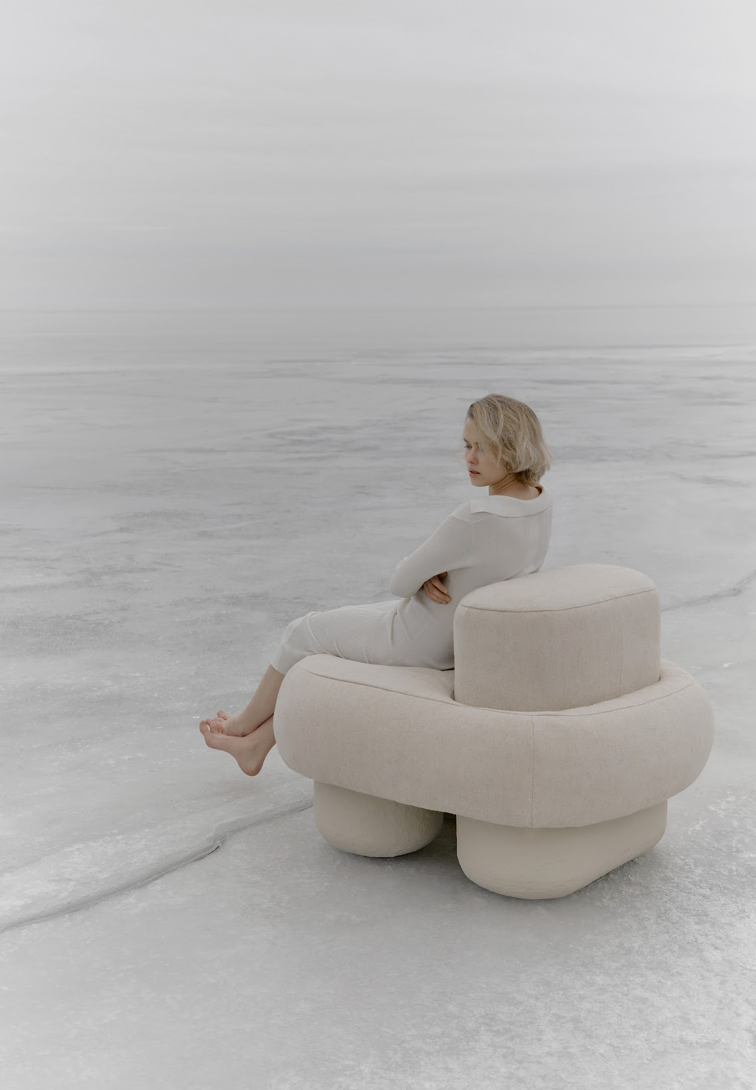
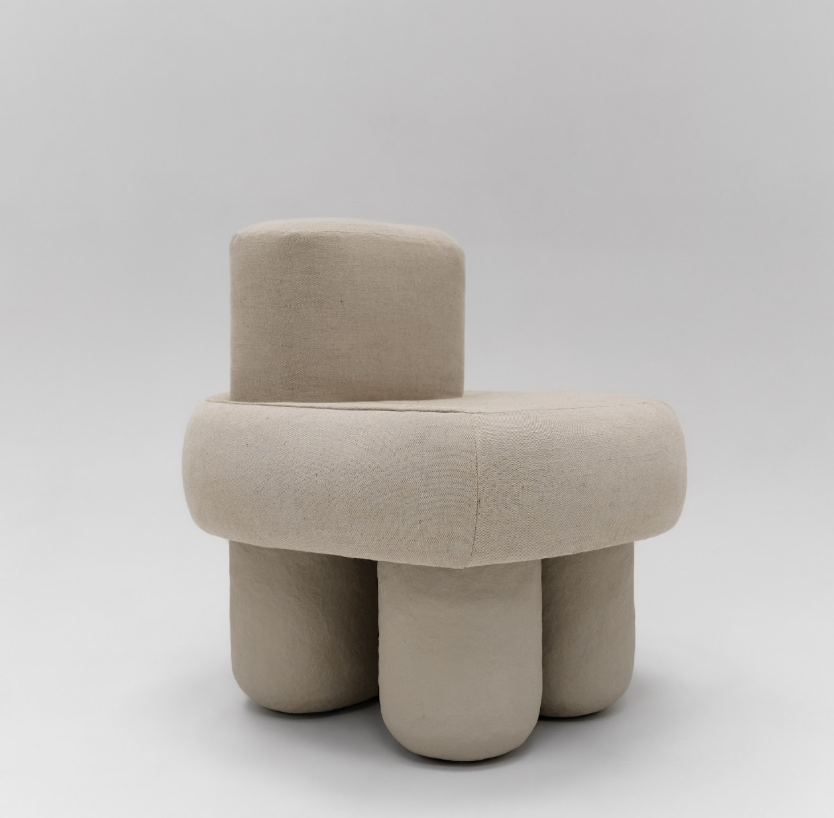
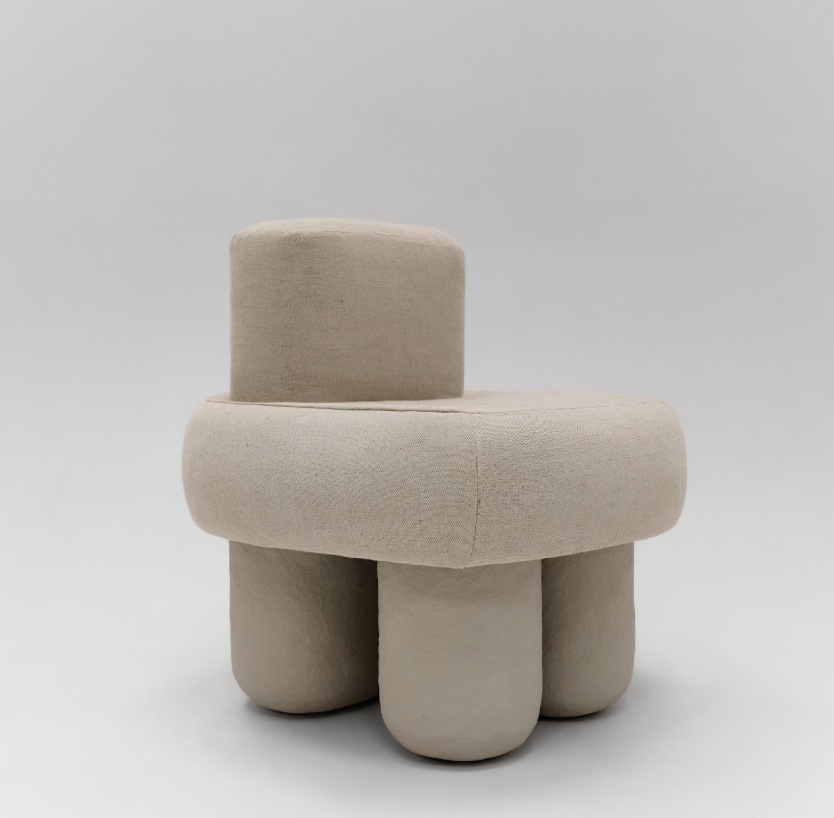
Wabi sabi furniture brings a sense of grounding, warmth, and authentic beauty into the home. Rooted in Japanese aesthetics, this style celebrates natural imperfection, calm simplicity, and materials that age gracefully. Through quiet textures, organic silhouettes, and handcrafted details, wabi sabi furniture shapes interiors that feel soulful and serene. Whether placed in the living room, dining room, bedroom, or office, it creates a space where design is deeply connected to nature and emotional comfort.
What Is Wabi Sabi Furniture?
Wabi sabi furniture is defined by its appreciation for the imperfect, the handmade, and the naturally evolving. Instead of striving for exact symmetry or polished finishes, this style embraces surfaces that bear subtle marks of time — grain patterns, irregular edges, and textures shaped by human hands. Wabi sabi furniture highlights the authenticity of materials such as clay, solid wood, linen, stone, and raw metals, creating a gentle contrast to overly refined contemporary interiors.
Soft silhouettes, earthy tones, tactile finishes, and minimal ornamentation. Each piece is chosen for its quiet presence and ability to bring emotional depth to the interior. In modern design, wabi sabi furniture encourages mindfulness by creating spacious, harmonious environments that feel balanced and unforced.
Room-by-Room Ideas, Tips, and Inspiration
Living Room
In the living room, wabi sabi furniture nurtures comfort and understated elegance. Choose a sofa or lounge chair with organic curves and natural upholstery that feels warm to the touch. A hand-carved coffee table or a wooden bench with visible grain adds authenticity and character. Keep decor minimal — a single ceramic bowl or textured vase is enough to bring depth without overwhelming the space. The goal is a living room that feels calm, inviting, and naturally layered.
Dining Room
The dining room becomes a place of quiet connection through wabi sabi furniture. A wooden dining table with irregular edges or a matte finish serves as the heart of the room. Surround it with simple chairs in natural tones that highlight craftsmanship rather than ornament. Soft lighting and earthy textures contribute to a warm, intimate dining environment that supports slow, meaningful living.
Bedroom
In the bedroom, wabi sabi furniture promotes serenity and grounding. A low wooden bed frame, linen bedding, and a minimal nightstand create an atmosphere ideal for rest. Handmade objects — a small ceramic lamp or a textured bowl — bring emotional resonance without cluttering the space. Embrace soft neutrals and natural materials to maintain the peaceful, soothing feeling that defines wabi sabi design.
Office
A home office inspired by wabi sabi philosophy encourages focus, clarity, and mindful work. Choose a desk with simple lines and natural finishes that support a sense of calm. Pair it with an ergonomic chair upholstered in organic fabric. Keep accessories minimal and meaningful to avoid visual noise. This approach creates an environment where creativity and thoughtful thinking can flourish.
FAQs
What defines wabi sabi furniture?
Its focus on natural materials, imperfect beauty, and handcrafted qualities.
Is wabi sabi furniture suitable for modern interiors?
Yes. Its simplicity and organic textures blend seamlessly with contemporary design.
What colors work best for wabi sabi interiors?
Earth tones, muted neutrals, warm greys, and gentle natural shades.
Does wabi sabi furniture work in small spaces?
Absolutely. Its minimalism and warm textures help create intimacy and comfort.
Where can I find inspiration for wabi sabi furniture online?
Explore artisan studios, contemporary design references, and architectural projects that highlight natural materials and soulful craftsmanship.